
A healthy, well-maintained lawn looks nice, sure, but for your commercial operation, it goes so much deeper than appearances.
How your space looks, feels, and presents is what creates the first impression – and that first impression is critical. Whether you're dealing directly with residents, tenants, customers, or visitors, a well-maintained lawn supports their happiness, experience, and, of course, plays into the value of your commercial property.
So, when turf begins to thin, develop bare patches, or decline due to age, heavy foot traffic, troublesome pests, or even environmental conditions beyond your control, commercial sod installation is typically the fastest way to restore a property's curb appeal.
If you're a property manager, though, you know that replacing sod isn't just a matter of laying down new grass.
Table of Contents: What's Inside This Guide
- Commercial Sod Installation Is More Than Just Replacing Grass
- What Should Property Managers Expect Before Commercial Sod Installation?
- A Must-Know Detail: Don't Overlook Your Irrigation System
- You Must Address Drainage Problems First
- What Happens During Commercial Sod Installation? A Step-by-Step Process
- How Long Does Commercial Sod Installation Take?
- How to Minimize Disruption During Sod Installation
- The Top Mistakes That Can Shorten the Life of New Sod
- Choosing the Right Commercial Landscaping Contractor for Your Sod Installation Project
Successful commercial sod replacement requires strategic planning, proper site preparation, functional irrigation, appropriate timing, clear communication with tenants or visitors, and a deep understanding of the unique growing conditions found throughout Central Florida.
No matter what your role might be – overseeing a multifamily community, HOA, healthcare campus, retail center, office park, or municipal property – knowing what to expect before your project begins will help minimize disruptions.
More importantly, it can help you set up your new landscape for long-term success.
(P.S., Need insight on the best type of sod for your property? Check out our Ultimate Sod Guide).
Commercial Sod Installation Is More Than Just Replacing Grass
You may already know this, but sod installation for commercial properties is very different from residential lawns.
Firstly, sod installation in commercial areas takes place on large, active sites – often with ongoing traffic, numerous irrigation zones, parking lots, sidewalks, and even occupied buildings. In short, it's happening in areas where a lot of different things are going on.
All that to say, new turf needs to look great, but it also needs to be installed properly so it can withstand regular use – all while it establishes healthy roots.
That's why commercial sod projects are typically part of a broader commercial landscape construction plan rather than just a standalone service you opt for at a random time.
That means before any new sod is installed, it's important to understand why the existing turf failed in the first place. If you're trying to simply replace the unhealthy grass without addressing the underlying cause, you'll likely face the same issue months (or worse, even weeks) later.
Our hot (and professional) take is this: A qualified commercial landscaping contractor should evaluate existing site conditions and identify any issues that could affect the performance of new sod.
What Should Property Managers Expect Before Commercial Sod Installation?
It's important to point out that every property is different – each will have its own unique conditions, issues, and goals.
Despite that, we believe most successful projects begin with a thorough and professional site evaluation.

Before installation, contractors will usually evaluate factors like:
- The condition of your existing turf
- Areas experiencing excessive wear or heavy foot traffic
- Sun and shade patterns across the property
- Soil conditions and grading
- Irrigation coverage
- Drainage concerns
- Areas with erosion or standing water
These evaluations are important because they help professionals determine the details of the project by answering questions like these:
- Will this project require more than just replacing the existing grass?
- Will site issues need to be corrected beforehand?
- What needs to be done to improve the appearance and lifespan of the new sod?
A Must-Know Detail: Don't Overlook Your Irrigation System
One of the most important (and tragically, most overlooked) elements of any commercial irrigation and sod installation project is the actual irrigation system itself.
Even the highest quality sod can struggle if it doesn't receive consistent watering during its establishment phase.
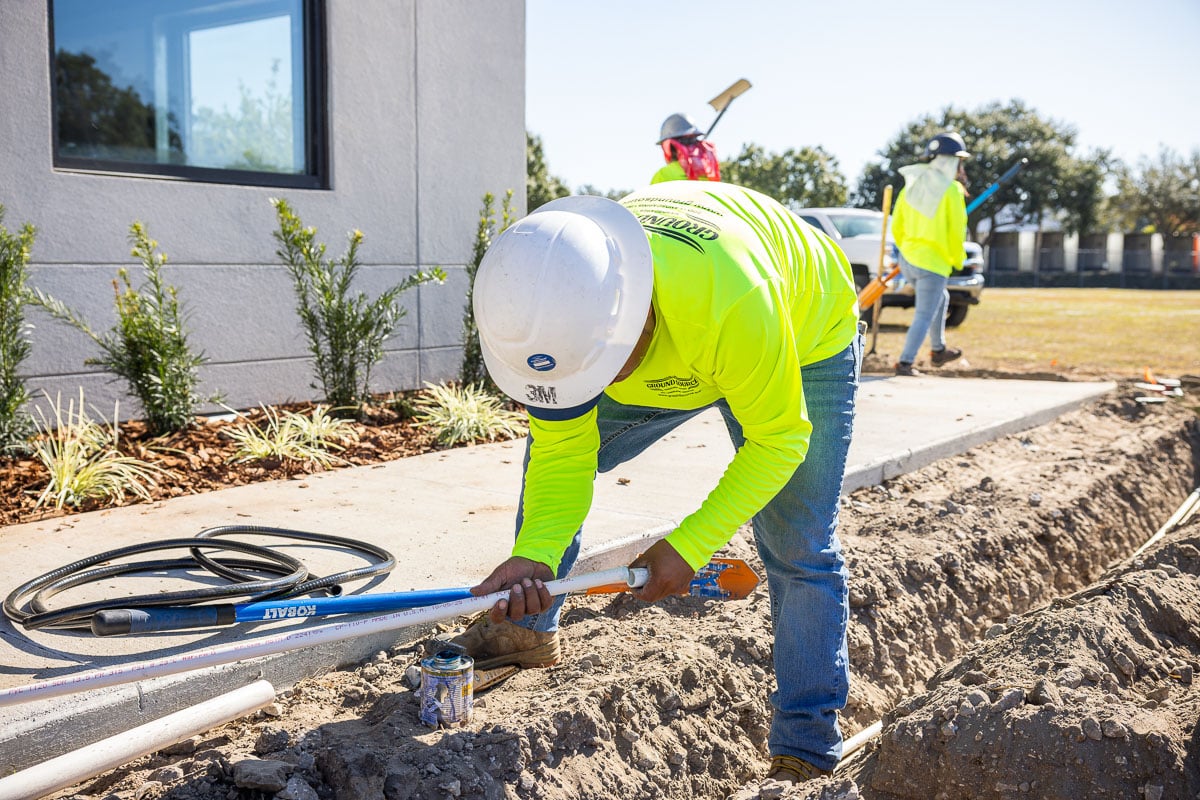
Before installation begins, irrigation systems need to be inspected to make sure they are operating properly and can support the project.
Though every property's irrigation systems are unique, some of the most common issues typically include:
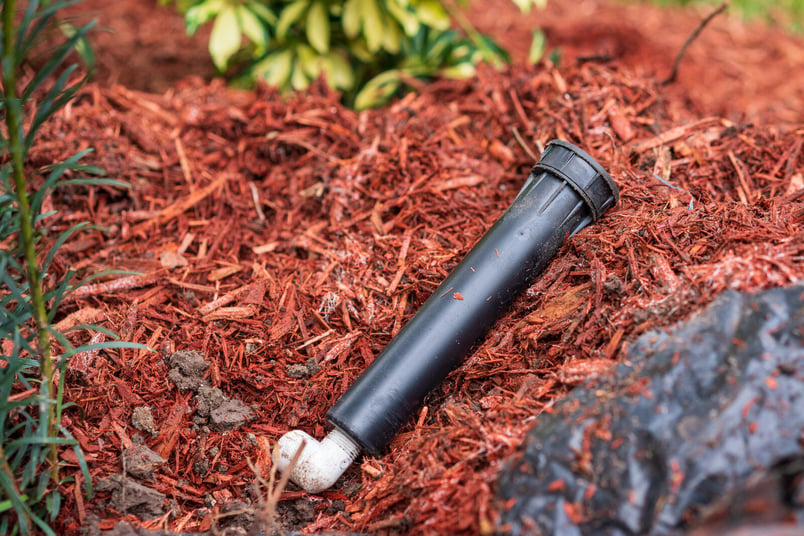
- Broken or clogged sprinkler heads
- Uneven water coverage
- Low water pressure
- Misaligned spray patterns
- Irrigation zones that aren't functioning properly
It's important to address these problems before new sod is installed. For commercial properties of any size (but especially large properties with multiple irrigation zones), confirming consistent, proper coverage before installation will help protect the investment in new landscaping.
If you can resolve irrigation issues and fully trust your irrigation system is working properly, you can promote more even establishment and dramatically reduce the likelihood of dry spots or stressed turf after installation.
You Must Address Drainage Problems First
You already know how Central Florida's weather creates unique challenges for commercial landscapes.
Our sandy soils usually drain quickly, but intense seasonal rainfall and afternoon thunderstorms will often still reveal low areas where water collects or show us where runoff becomes a recurring issue.
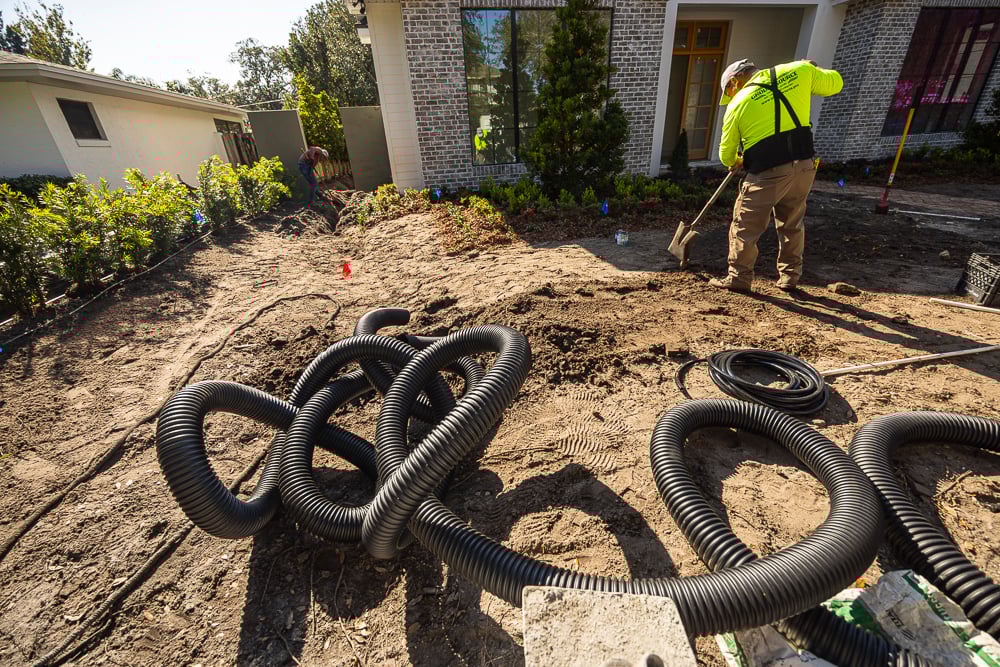
One of our mostly non-negotiable rules of sod installation is this: Drainage needs to be evaluated and handled before we install new sod.
If drainage problems aren't corrected before installing new sod, the excess moisture will likely interfere with root establishment and create ongoing maintenance concerns. Because new sod performs best when installed on a properly prepared site, it's fair to say that if the sod roots won't establish due to drainage issues, the installation will likely fail.
Solving drainage concerns beforehand helps create healthier growing conditions while reducing the risk of future turf decline.
What Happens During Commercial Sod Installation? A Step-by-Step Process
Every single project will vary based on the needs, challenges, and goals of a commercial property. Typically, though, the installation process follows many of the same important steps.
First, Remove Existing Turf
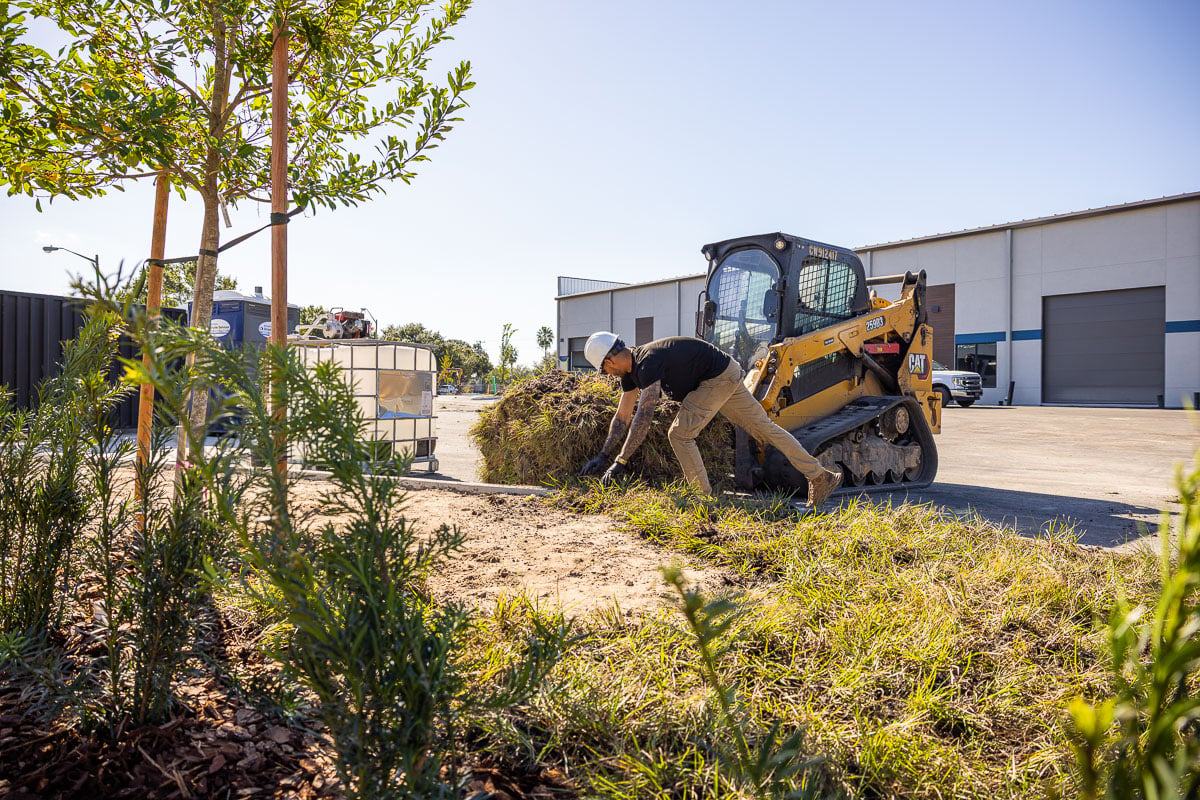
We can't lay new sod over old or damaged sod – the roots won't take, and the installation won't work. That's why it's crucial to remove old or damaged grass first.
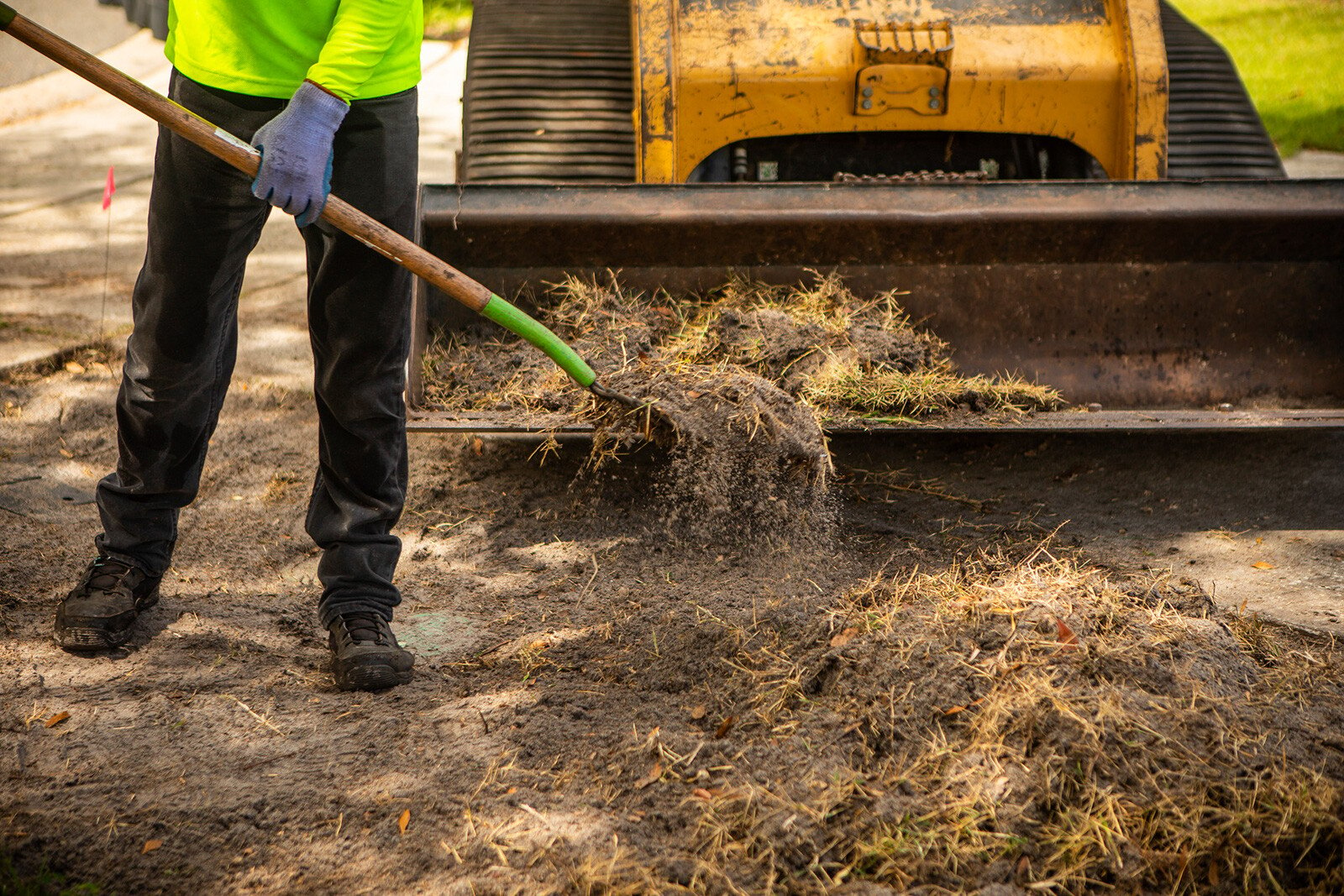
We create a clean surface for installation, which also provides an opportunity to identify any underlying issues affecting the soil.
Then We Prepare the Site
The specific area is graded and properly prepared to create a smooth, even surface. Depending on existing conditions, this stage may also involve several steps to improve soil quality or make minor grading adjustments based on the property's needs.
Check & Verify the Irrigation System
Before new sod is placed, we check and test the irrigation system to confirm it provides adequate coverage and will support the new sod going forward.
The Install: Laying Fresh Sod
Fresh sod is delivered and installed in a staggered pattern with tightly fitted seams to encourage uniform establishment and create a finished appearance.
Water Immediately
New sod should get a pretty heavy dose of irrigation during its first few weeks. Immediately after installation, the focus should be on watering it heavily so it can begin to establish critical roots.
During the first several weeks, consistent irrigation is essential while the turf becomes established.
How Long Does Commercial Sod Installation Take?
What's the timeline of the new sod process? How long does sod install take? Is there a right time to install new sod in Central Florida?
These are the most common questions we get from commercial property managers.
We can't quote timelines without specific information, so we always walk through all the details, such as:
- Property size
- Existing site conditions
- Irrigation repairs
- Drainage improvements
- Weather conditions
- Overall project scope
In many cases, preparing the site takes as much (or possibly even more) time than simply installing the sod itself.
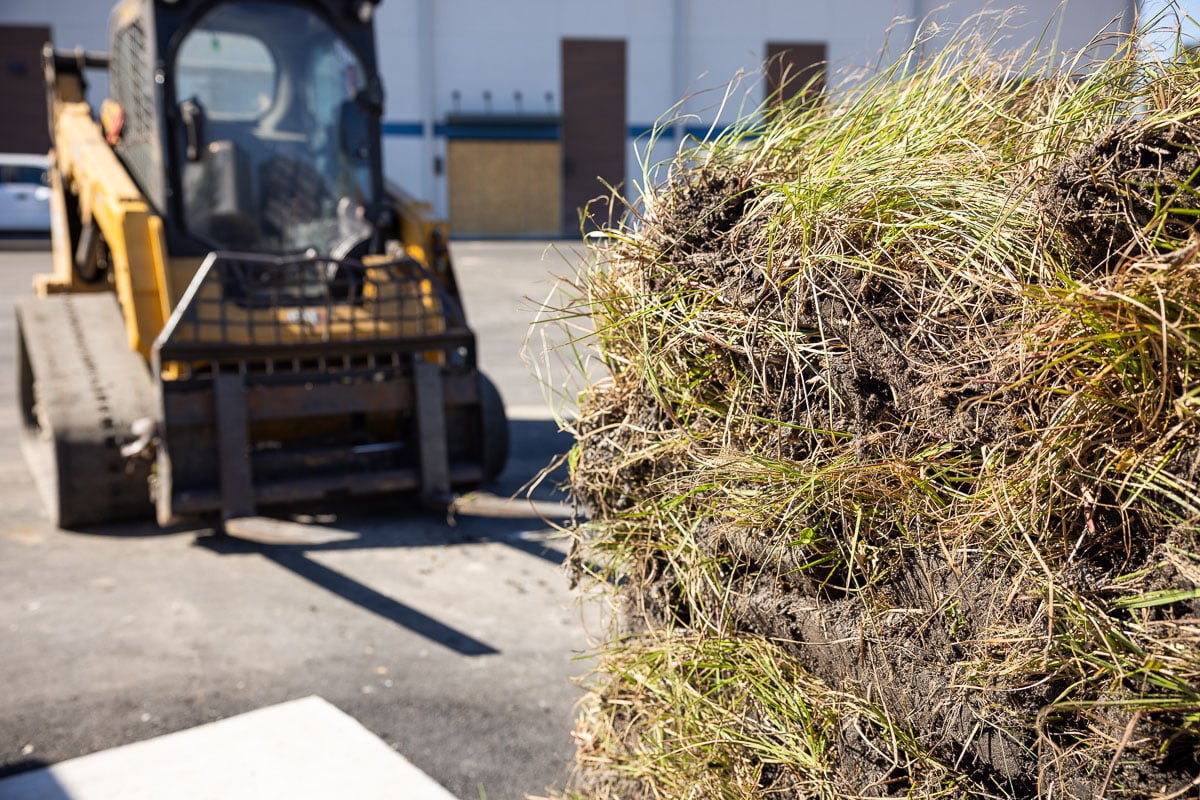
We usually spend a good chunk of time addressing grading, irrigation, or drainage issues before installation. The extra legwork is worth it in the long run as it helps us establish and support healthier, longer-lasting turf.
Our pro tip for this? Work with an experienced contractor you trust. This route ensures the project stays organized and allows you, the property manager, to plan around normal operations (and eliminate as many surprises as possible).
How to Minimize Disruption During Sod Installation
In our experience, commercial properties of most kinds don't have the luxury of shutting down for a week or so while landscape improvements are completed.
In most cases, residents still need access to their homes. Customers will need parking while the property is open. Employees need safe walkways (lest the company be liable).
And, of course, any visitors will expect the property to be functional while the project is happening.

Here's the important lesson to take from this: Careful planning helps minimize disruptions during commercial property landscaping projects, benefiting everyone.
Depending on the property, contractors can coordinate work by:
- Completing installations in phases
- Maintaining pedestrian access whenever possible
- Scheduling work around peak business hours
- Managing equipment and material staging safely
- Clearly marking active work areas
- Communicating project timelines in advance
How you schedule your sod installation project depends on your goals and schedule, but thoughtful phasing allows important landscape improvements to proceed while reducing inconvenience for tenants, visitors, and property staff.
The Top Mistakes That Can Shorten the Life of New Sod
We encourage everyone to view their sod installation as an investment – not just a cost. Importantly, though, it's a significant investment – one that can be protected by avoiding a few mistakes for better long-term results.
In our experience, these are the most common sod installation issues we run across (and want to warn against):
- Installing new sod before correcting irrigation problems: You can install all of your sod perfectly, but if you don't have proper irrigation support in place, you're doing a ton of work for no reason.
- Ignoring drainage issues or standing water: If your property already has pooling or poor drainage, it's going to be hard for that sod to take root and survive during regular (and unscheduled) irrigation.
- Failing to prepare the soil properly: Maybe you're replacing sod because your current grass isn't performing adequately. Do you know why? If you haven't addressed the soil issue, you could be planting new sod only to face the same problem in a few weeks or months. Preparing the soil is just as important as investing in new sod.
- Choosing sod based solely on price rather than site conditions: A cheaper sod might look good on paper (and for your bottom line), but if it's not an ideal match for your soil, property, or unique challenges, you're not going to save money in the long run. In fact, you might end up spending more money overall to continually fix the sod issues you'll run into.
- Allowing heavy foot traffic before the sod has established: If you're not giving your new sod a chance to establish and grow, you're not protecting your investment. New sod takes time to root, establish, and thrive – too much foot traffic or disruption before this happens can damage your investment.
- Delaying or providing inconsistent watering during establishment: New sod should be watered immediately and consistently while it establishes. Without this, new sod won't root properly or grow as expected, which could result in damaged sod that never establishes the way it was supposed to.
Addressing these issues early helps create stronger root systems and healthier turf over time.
Choosing the Right Commercial Landscaping Contractor for Your Sod Installation Project
Remember, not every landscaping company has experience managing large-scale commercial installations. Commercial sod installation isn't the same as residential. There are dozens, if not hundreds, of unique factors to consider – more than that, it's often happening on a much larger scale than residential.
This means any choice your contractor makes is amplified – and when that's the case, you want to make sure they're making informed, professional decisions.
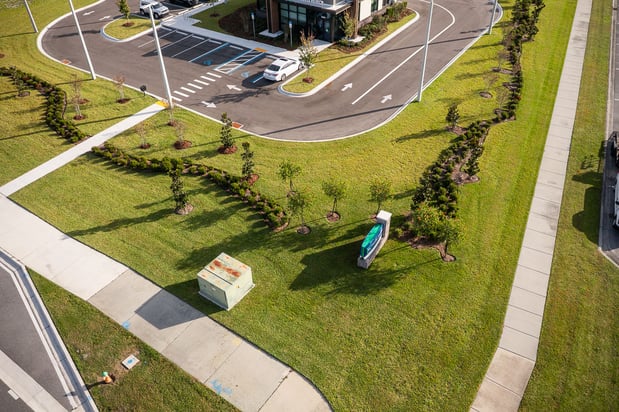
When planning commercial sod installation, property managers should look for a contractor with experience working on commercial properties, coordinating complex projects, and understanding how irrigation, drainage, grading, and landscape construction work together.
A contractor who understands these broader site conditions can help identify potential challenges before installation begins, resulting in a smoother project and better long-term performance.
Interested in working together on your commercial sod project? Reach out to our team at Ground Source to see how we can guide, help, and direct your commercial landscape construction project in Central Florida.