
Proper lawn care isn't always the easiest practice to maintain. Between work, family-time, and relaxing, you can't always block of an adequate amount of time each week to take care of your yard. Irrigation systems makes things a heck of a lot easier, but even they don't bear the entire workload. Another reason that proper lawn care can be difficult, is that it's not the most obvious skill. Learning proper lawn care isn't as simple as reading a single blog post. Your lawn treatment options are specific to your landscape, climate, and region. When starting out in lawn care, it is pretty easy to make mistakes.
Both inadvertent neglect for your lawn, and guessing at how to treat it can have extremely negative impact on your lawn's health. The first step to making reparations is figuring out where you went wrong.
This article should help you diagnose whatever issue is plaguing your lawn, or at least get you thinking about it.
Proper Mowing
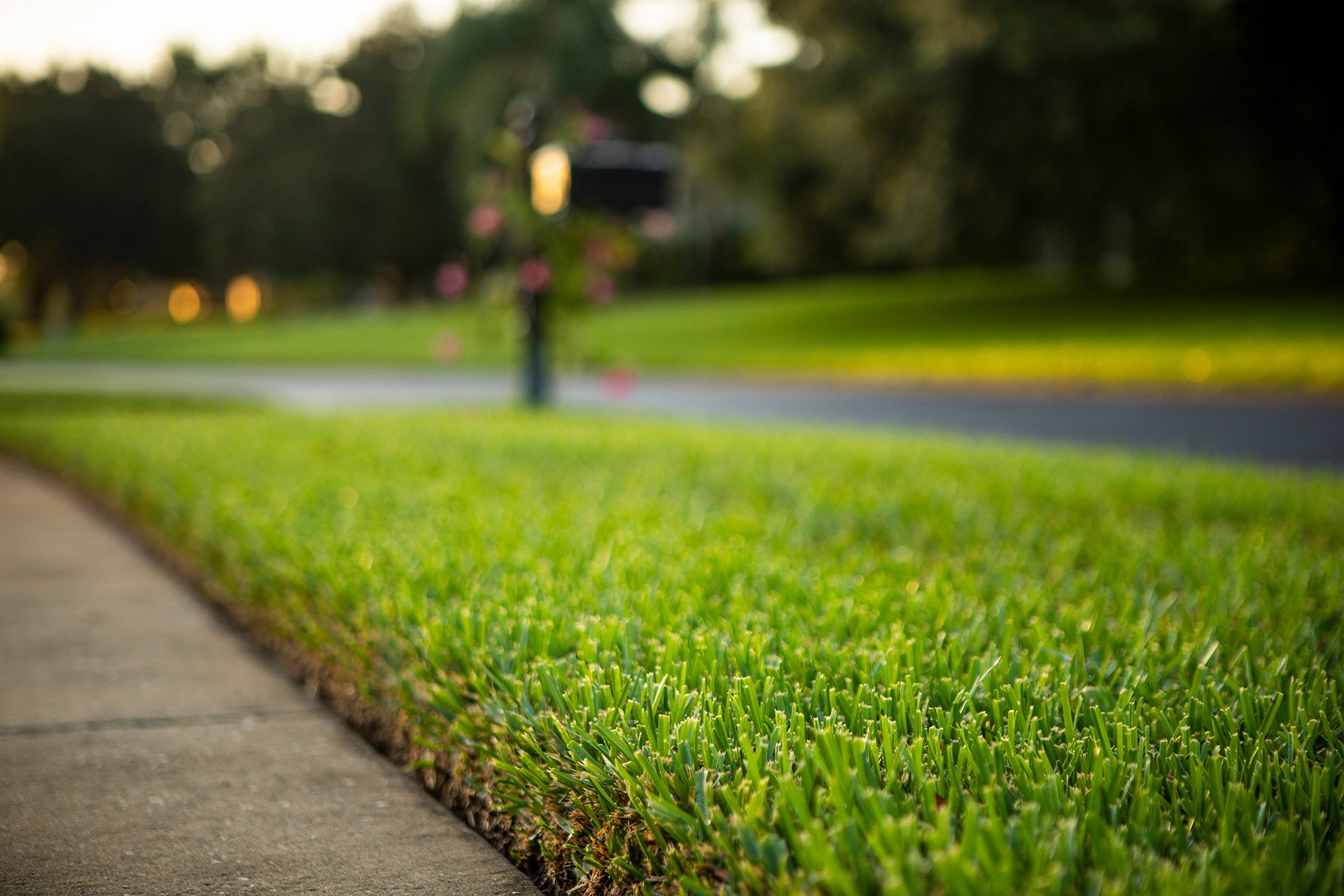
Lawns can be cut too short, too often, and improperly. Here are a few bullet points to cover proper mowing etiquette. Lawn should be cut to between 2.5 and 3 inches. Whenever mowing your lawn, make sure the blade is sharp, so as not to damage grass. Only one-third of the total height should be taken from your grass at a single time. Don't cut more than one-third off of the top. As long as you don't take too much off of the top, you can leave the grass clippings right on top of the freshly cut grass. The clippings will decompose and recycle vital nutrients such as nitrogen.
Regular Sunlight
Grass needs sunlight, and if your lawn isn't getting enough of it you might be in trouble. If your yard is overly shady, or dense with tree cover, you may need to take some extra precaution. Limit weight, traffic on shady soil. Cut the grass a little longer - around 3 inches. Aerate your lawn once a year. More on when and how to aerate.
Adequate Water
Adequately watering your lawn depends a lot on where your live and the time of year. Here in Central Florida, lawn watering can be tricky with all of the water restrictions, and limits on certain days. You may have to refine this process as the circumstance presents itself to you. Here are a couple of sure tips. Water deeply, not just the surface. Getting the surface of the lawn wet is fine, but it's even more important to get the soil below the surface. 1 inch of moisture below the soil is a pretty common benchmark. Avoid patchiness, aim for uniform coverage. Make sure that your entire lawn is getting the same amount of coverage.
These are the three biggest problems that lawns face. Keeping an eye out for any of the above red flags should help you take better care of the lawn. Other common lawn care mistakes or lawn issues include:
Invasive crabgrass Over Fertilizing lawns Pet Urine Brown Spots Compacted Lawn Damage
Ground Source
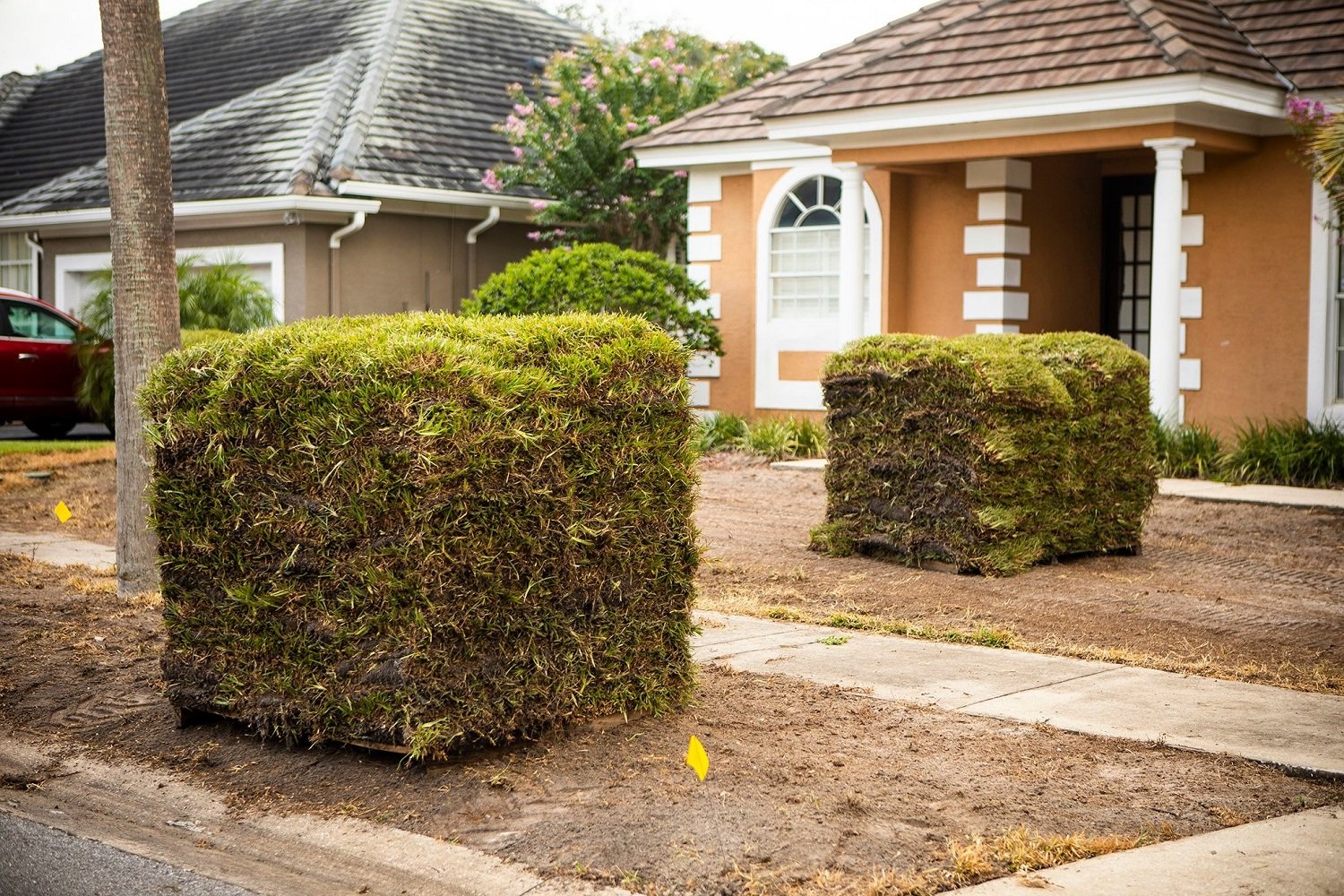
If you are interested in starting over anew, call Ground Source for the best Orlando sod installation service in Central Florida. We'll help you pick the right type of sod for your budget, and your location. Call us today at (407) 378-5366.