
If you're the go-to person who is responsible for a commercial property of any kind, you know that choosing a landscape construction contractor can be a difficult task.
It's important to balance cost, goals, needs, and obstacles – all while staying within budget. And even though money matters, choosing the right partner is about much more than finding the lowest number on a proposal.
If you're a property manager, part of a facilities team, running an HOA board, or the decision-maker for a multifamily community, retail center, or beyond, you know what goes into this choice: timelines, communication, site logistics, and the construction impact in general.
The elements are dizzying, but one thing can help answer the questions – a commercial landscape construction proposal.
Jump to Section
- What to Look for in a Proposal: Things to Consider in a Commercial Landscape Construction Partner
- How Should Property Managers Compare Commercial Landscaping Proposals?
- The Top Questions Property Managers Should Ask Before Hiring a Contractor
- Planning a Commercial Landscape Construction Project? Talk to Ground Source
The problem that pops up? Even when you receive a construction proposal, you can't always know what to look for or tell if it's the right fit for your property or project. This raises the all-important question: What should I look for in the right commercial landscape construction proposal?
A detailed proposal should give you a clearer understanding of what a contractor is actually planning to do, what the project is expected to cost, and what you can expect once construction starts.
Alternatively, a vague estimate can leave important details completely open to interpretation (and create major issues later).
Want to make sure you're choosing the right proposal? This blog is about to dive into everything you should know to choose the right commercial landscape construction partner.
What to Look for in a Proposal: Things to Consider in a Commercial Landscape Construction Partner
Price fluctuations, production timelines, change orders - trying to predict everything that happens during a large installation project is an impossible task.
No contract can tell you the future, but a comprehensive proposal should cover the basics and provide guidelines for issues that arise along the way.
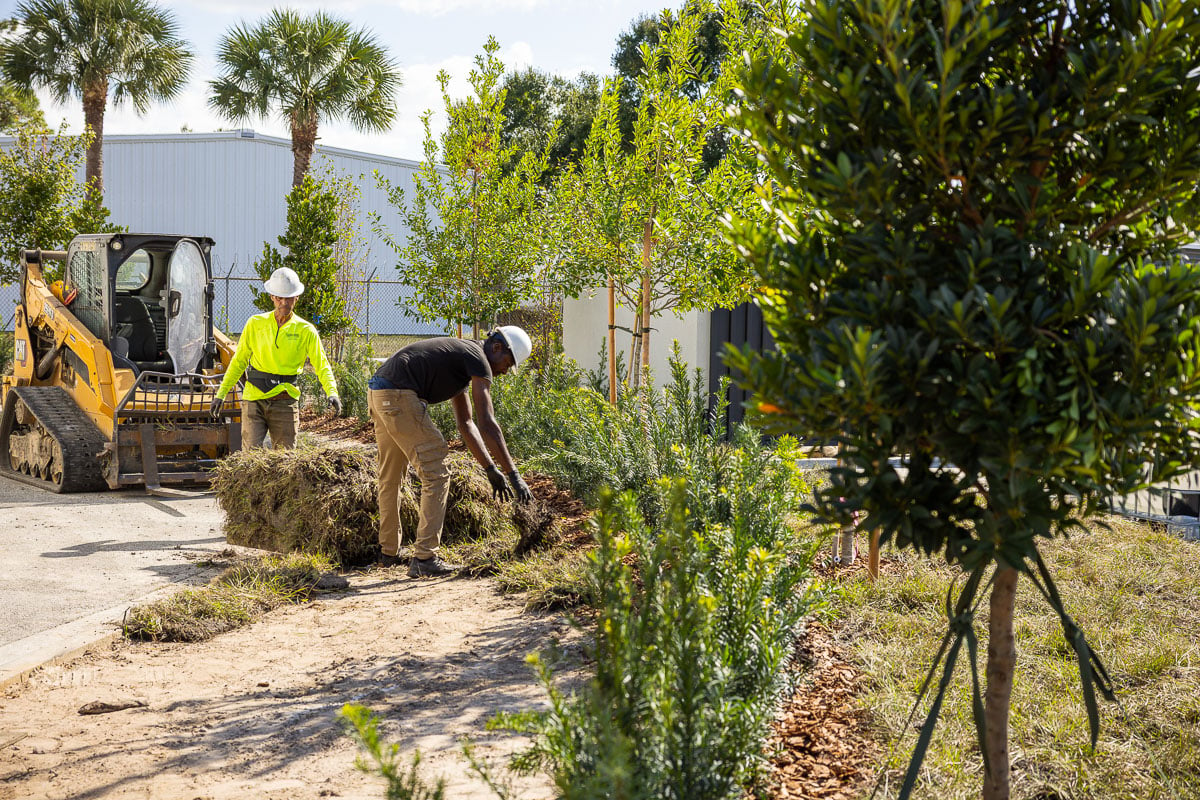
Here's what you should look for.
Immediately Look Beyond the Price of the Proposal
We're absolutely not saying that price isn't a factor – budget is always a factor to consider.
But it’s natural to compare commercial landscaping bids based on price. And the problem there is that sometimes you get what you pay for – but in a negative sense.
Here's the moral of the price story: Budget matters, but price shouldn't be the only factor.
One question to consider in the price and budget scope is who is actually doing the work and where the expertise is coming from.
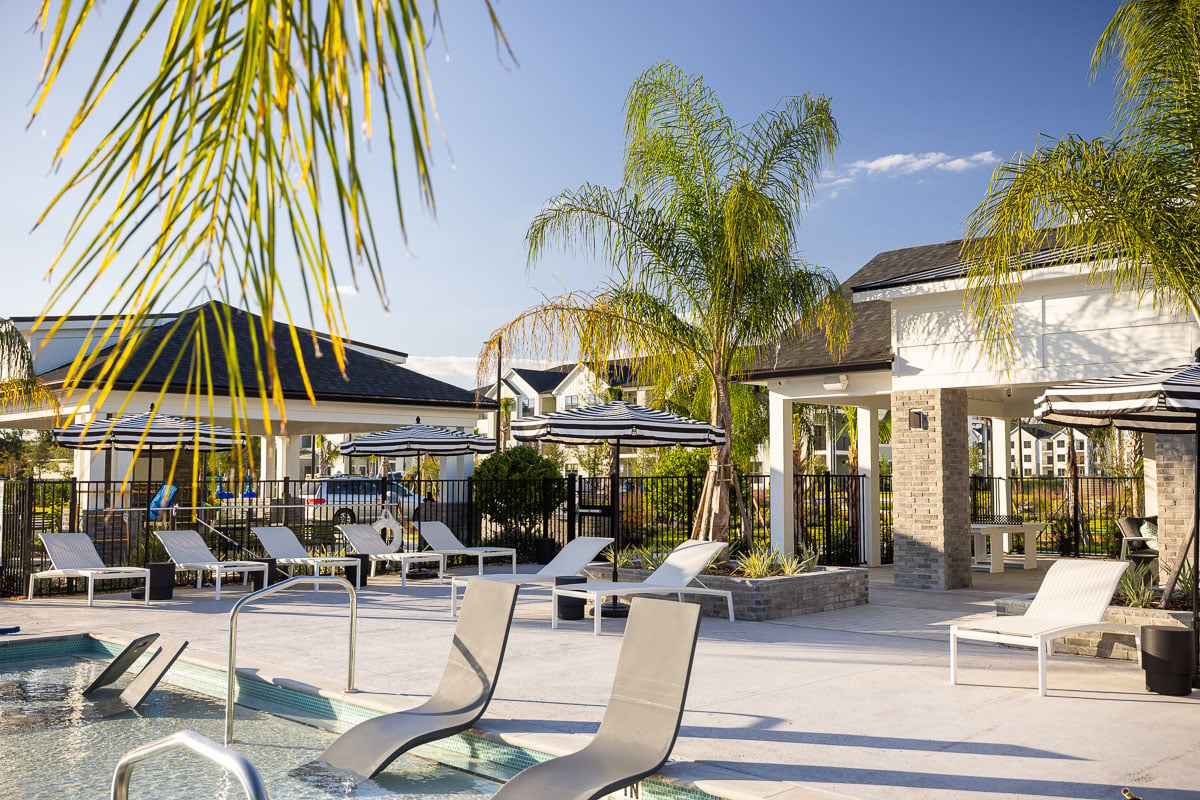
For existing commercial properties, property managers sometimes work with a maintenance contractor that obtains a construction price from another company, adds a markup, and then hires that company to complete the work.
Working directly with a commercial landscape construction contractor can provide another option.
Instead of having construction work passed through another contractor, property managers can work directly with a company that specializes in the construction side of the project.
That can provide access to specialized expertise while keeping the project at a reasonable price.
When comparing commercial landscaping proposals, consider the company's experience and role, not just the final dollar amount.
What Should a Commercial Landscape Construction Proposal Include?
A good commercial landscape construction proposal should give you enough information to understand the full scope of the project – whether it's a simple sod installation, landscaping around your new signage, or a full commercial landscape redesign.
It should also include a clear plan for updates, changes, and communication (because it's almost impossible to predict every detail of a landscape project before it starts).
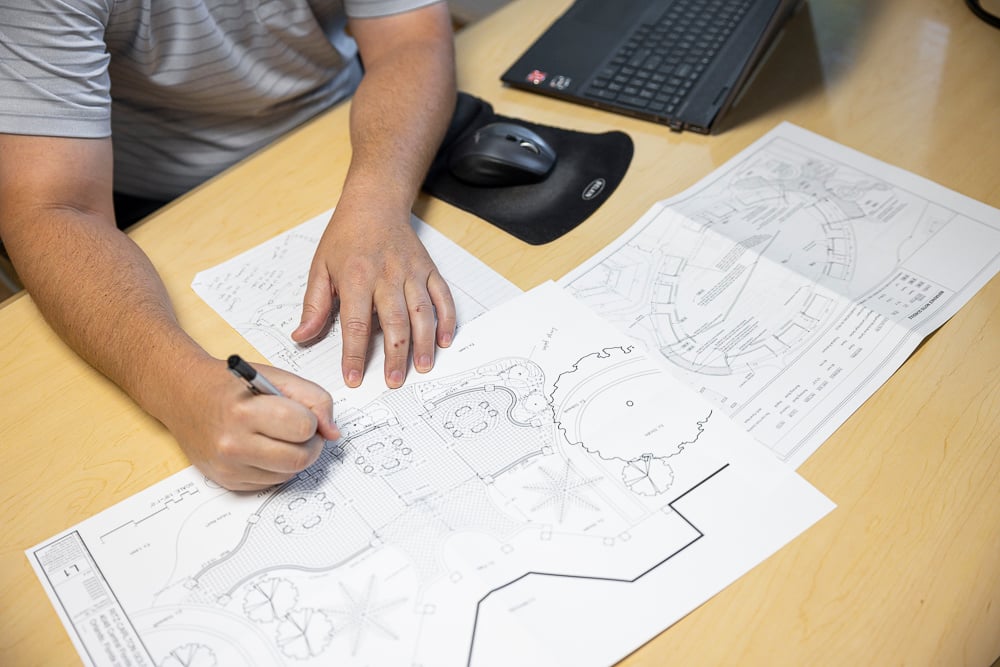
Importantly, that doesn't mean every proposal needs to account for every possible detail before a project begins. But a contractor should demonstrate that they have carefully considered the scopes involved and provided a clear description of the work – then have a clear, honest conversation about what it means if that scope changes.
One of the biggest concerns with commercial landscape construction estimates is vagueness.
For example, an estimate that simply says something like “landscape per spec – $5,000” doesn't tell you much about what you're actually receiving, right? This opens the door for bigger questions, like:
- What landscaping work is included?
- What materials are being considered?
- What does the contractor understand the scope to be?
The more unclear the proposal is, the more room there is for misunderstandings once the project moves forward – and that means more room for changing scope, tacked-on prices, and a bottom line you might not meet.
Ultimately, a detailed commercial landscape construction proposal should make it easier to understand what the contractor has accounted for and what you're agreeing to before the work begins.
How Should Property Managers Compare Commercial Landscaping Proposals?
When you have multiple commercial landscaping bids in front of you, we strongly encourage you to resist the urge to choose the lowest one simply because it's the lowest.
Instead, we implore you to compare the proposals based on what you're actually getting.
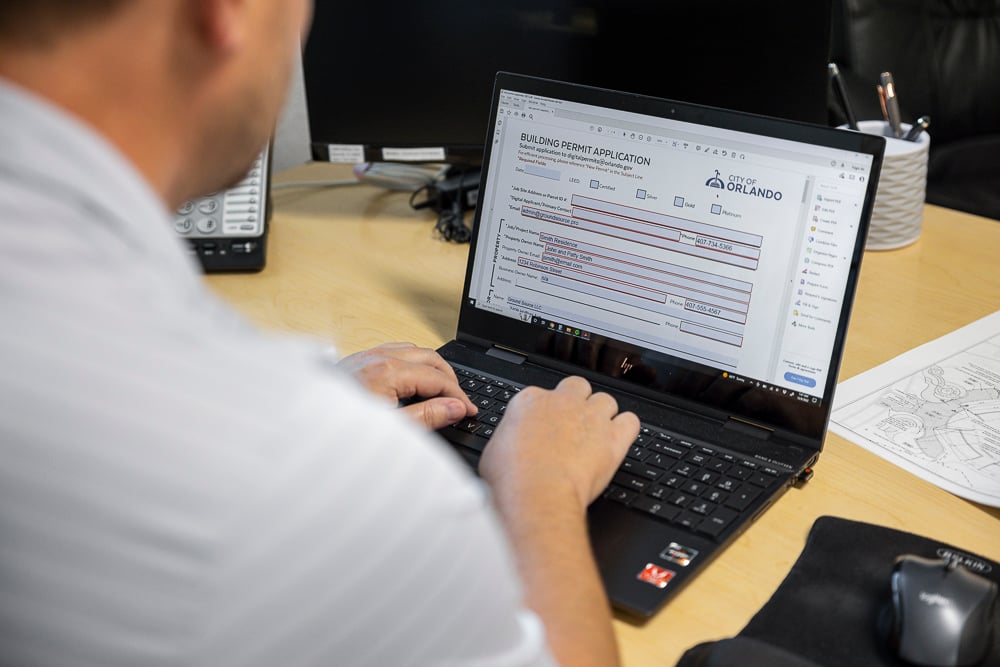
Start by asking yourself these questions when examining your proposals:
- Does each contractor appear to have captured the full project scope?
- Are the proposals detailed enough to understand the work being proposed?
- Are there major differences in what each contractor is including?
- Can you easily reach the contractor with questions?
- Does the contractor have the experience and resources to complete the project?
- How soon can the project be completed?
- How large of a crew can the contractor assign to the project?
A proposal that costs less isn't necessarily the better value if it leaves out important aspects of the project or is unclear.
Fairly comparing proposals means making sure you're comparing similar scopes of work, not just the numbers at the bottom of each page.
Ask How Quickly the Project Can Be Completed
For commercial properties, construction doesn't happen in a flash, and it certainly doesn't happen in a vacuum.
A project may take place around tenants, customers, employees, residents, or other people who use the property. That makes project timing an important consideration when choosing a commercial landscaping contractor.
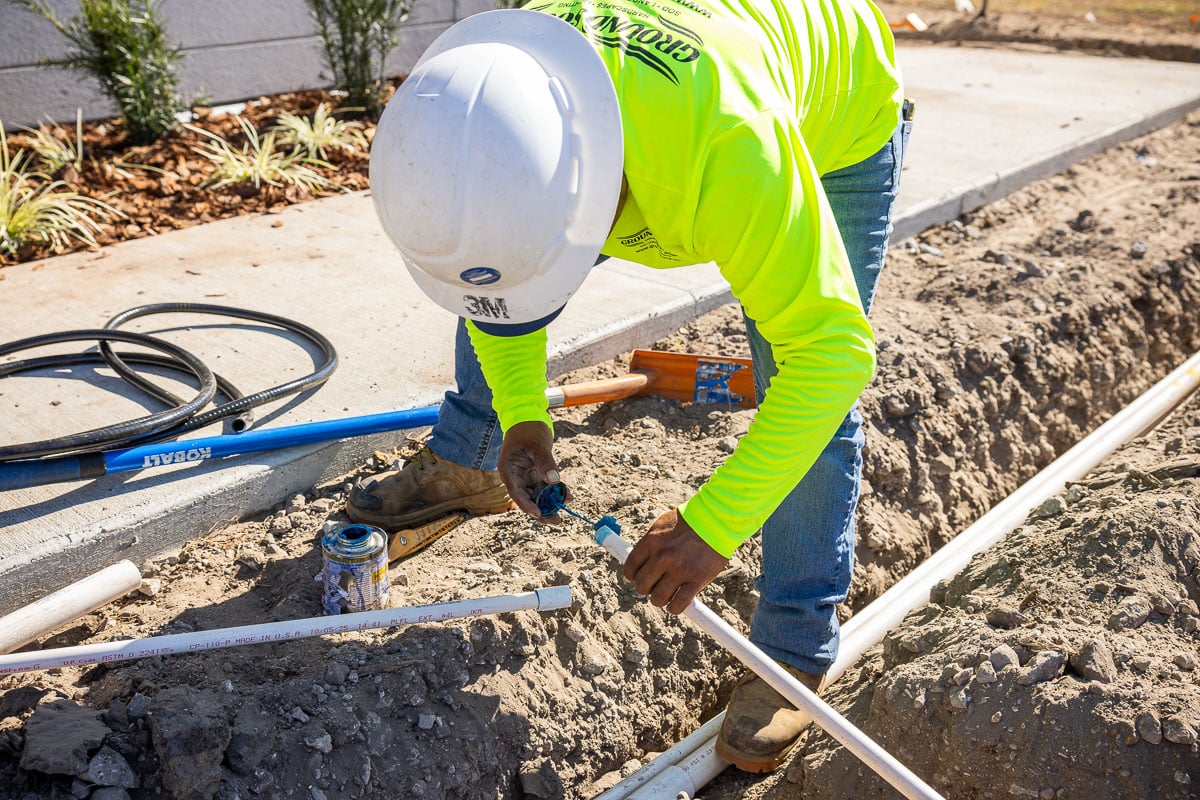
Before signing a contract, ask how soon the project can be completed and what goes into that estimate.
You should also ask about the size of the crew the contractor can delegate to the project. Even if you're not fully aware of what makes the right-size team, crew size can help you understand how a contractor plans to approach the work and whether the proposed timeline is realistic.
Getting those answers early can help property managers make better decisions about scheduling and expectations.
Pay Close Attention to Communication Before the Project Starts
The proposal process can tell you a lot about what it may be like to work with a contractor.
Believe it or not, communication is one of the top things to look for when choosing a partner because the last thing you want during construction is your team ghosting you, leaving you hanging, or leaving you wondering whether the project will ever be completed.
If you're having trouble getting answers before the project starts, that may be a warning sign.
Unresponsive companies that are difficult to reach by phone or email can create unnecessary frustration during a construction project. Once work is underway, property managers need to know who to contact when questions come up.
Responsiveness matters because commercial landscape construction requires coordination and communication.
Pay attention to how quickly and clearly a contractor communicates during the proposal process. If you're consistently waiting for responses or struggling to get straightforward answers, consider whether that's the relationship you want to have throughout the project.
On the flip side, pay attention to how they treat you during the proposal phase and what past customers say about how they treated them after they signed. If they do a whole song and dance to win your business but then leave you hanging once you've signed, they're still not a good fit.
Watch for Vague Commercial Landscaping Estimates
One of the biggest red flags when reviewing a commercial landscaping estimate is a lack of detail.
A proposal doesn't need to be unnecessarily complicated, and realistically it can't lay every detail out ahead of time, but it should provide enough information for you to understand what you're paying for.
Extremely vague estimates can potentially create a situation where the initial price doesn't reflect the full scope of work that ultimately needs to be completed. That can leave you paying more than you planned and feeling lied to.
For example, a simple line item such as “landscape to spec” doesn't give a property manager enough information to confidently compare that proposal with a more detailed one.
Before choosing a contractor, ask questions about anything you don't understand. If it seems vague, it likely is vague – ask them about it, get answers, and get those answers in writing.
Don't Forget About Insurance
Insurance is another consideration when choosing a commercial landscape construction partner. Property managers should ask about a contractor's insurance and make sure they understand it's a non-negotiable to win the business.
Commercial properties have unique responsibilities and risks, so choosing a contractor isn't simply about finding someone who can complete the landscaping work. They need to do it on budget, on time, safely, and with the right liability protection.
The Top Questions Property Managers Should Ask Before Hiring a Contractor
Before signing a contract for commercial landscape construction, take the opportunity to go through the proposal carefully and raise questions about anything you're unsure about. Ultimately, you should ask questions that clarify the project and the contractor's capabilities.
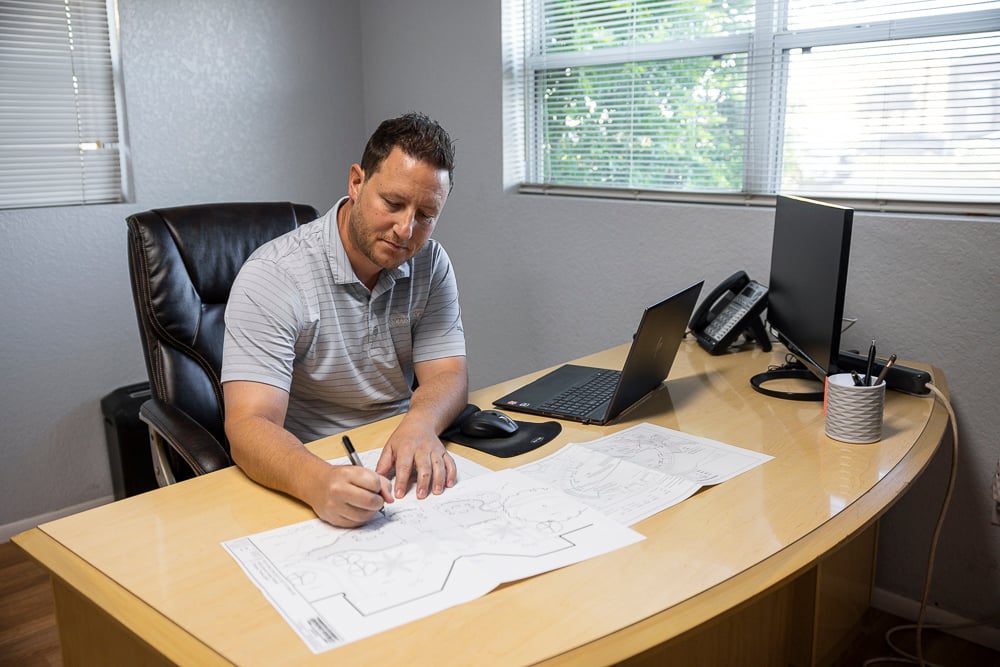
At a minimum, consider asking these important questions (if they're not already clear):
- How soon can the project be completed? Understanding the expected timeline can help you coordinate the project with property operations and other responsibilities.
- How large of a crew can you delegate to the project? This can help you understand how the contractor plans to approach the work and whether the proposed timeline makes sense.
- Is the proposal detailed enough to clearly define the scope? If you're unsure what is included, ask before signing.
- Who will actually be completing the work? Understanding whether you're working directly with the construction contractor or through another vendor can help you better evaluate the proposal and price.
- How can I reach you if I have questions? Responsiveness matters. The proposal process is a good opportunity to see how accessible the contractor is.
Planning a Commercial Landscape Construction Project?
Commercial landscape construction is an investment in your property, and the proposal is one of the first opportunities you have to evaluate the company you're considering. A proposal that clearly defines the project can help prevent misunderstandings, and working directly with an experienced commercial landscape construction contractor can provide the expertise you need to approach the project with confidence.
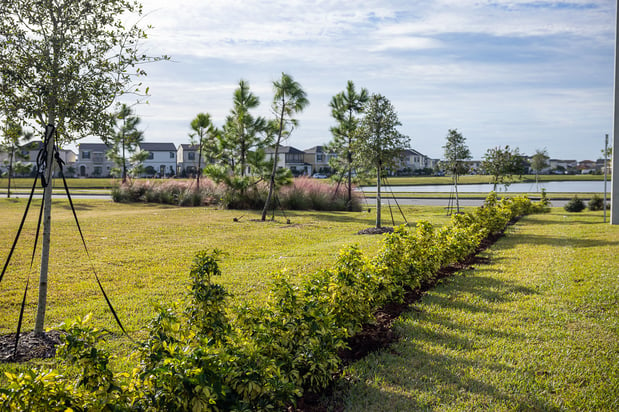
At Ground Source, we support commercial properties with landscape construction projects. If you're planning commercial landscape construction in Central Florida, we're here to help. We can answer your questions, create detailed project scopes, and help you determine if we're the right fit for your project.
All you have to do is reach out to our team to schedule your on-site consultation – we're excited to learn more about your project.