
Artificial grass – these days, it seems like it's everywhere. Every time you look around your Central Florida area (whether it's Orlando, Winter Garden, Lake Nona, Clermont, or somewhere else close by), you're noticing more and more artificial turf taking over.
Backyards. Putting greens. Full lawn replacements.
The installation of artificial turf has become increasingly popular among homeowners seeking to reduce maintenance and water use.
Truthfully, we can see how appealing that is.
Table of Contents
- What Is Artificial Grass Made Of Today?
- Artificial Turf Installation in Central Florida: What to Expect
- Artificial Grass Benefits: Why Homeowners Are Making the Swap
- What Are the Drawbacks of Artificial Grass?
- Cost of Artificial Turf in Central Florida
- Do Artificial Lawns Need Maintenance?
- Are Artificial Lawns Bad for the Environment?
- Artificial Lawn Regulations in Central Florida
- Natural Lawns vs Artificial Turf: Which Is Better?
- Is Artificial Turf Worth the Investment?
- Frequently Asked Questions About Artificial Grass
- Explore Artificial Turf Installation in Central FL with Ground Source
Think about it. When you opt for artificial grass, you don't have to deal with: mowing, fertilizing, muddy patches after summer storms, and on and on.
But just like any landscaping decision, there’s more to it than the highlight reel of advantages. There are always pros and cons.
If you’ve been wondering things like…
- Is artificial turf worth the investment?
- What are the drawbacks of artificial grass?
- Are artificial lawns bad for the environment?
- Are natural lawns better than artificial turf?
You’re in the right spot for all things artificial turf talk. Let's talk through the real-deal pros, cons, and major considerations of artificial lawns in Central Florida.
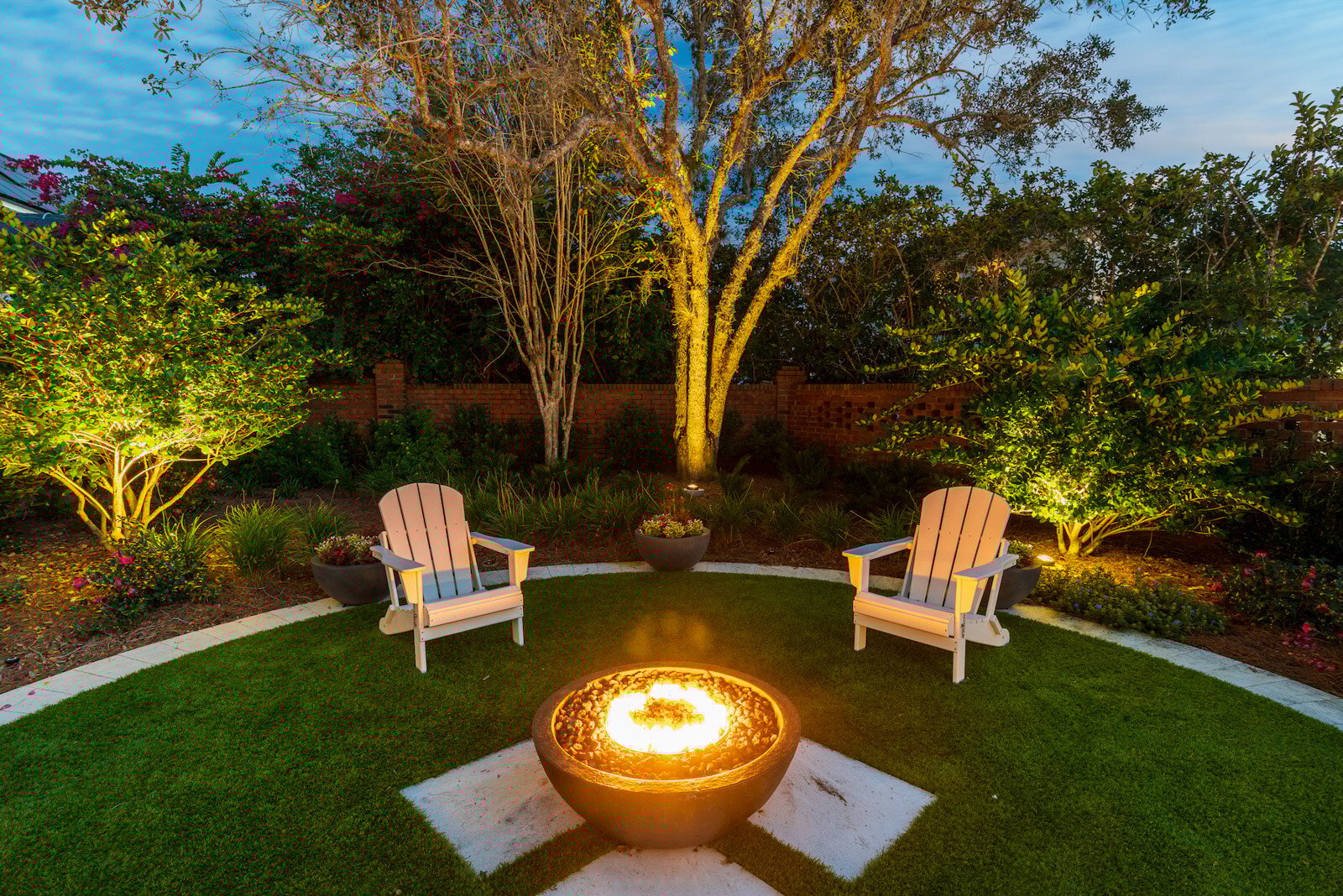
Our goal? Not to sway you one way or the other, but to give you enough practical knowledge and expert guidance to make the right call for your unique space.
The Basics: What Is Artificial Grass Made Of Now?
Whether you're aware of it or not, artificial turf has come a long way in the last few decades. Modern turf systems are designed to look and feel much more like natural grass than the bright green, plastic-looking versions you might remember from years ago.
If you're picturing neon turf that looks and feels fake, you're not as acquainted with modern artificial grass as you might think!

Today’s artificial lawns are typically made up of things like:
- Synthetic fibers (usually polyethylene or polypropylene) that are designed to mimic grass blades
- Infill materials like sand or rubber to support the structure and cushioning
- Backing layers for drainage and durability
- Base materials (compacted stone) installed underneath for stability
Higher-end artificial grass might even include variations in blade color, texture, and height to create a more natural appearance.
Obviously, though, as natural or organic as this grass might look, at the end of the day, it’s still a synthetic system.
That fact matters less when we talk about appearance and aesthetics, but much more when we talk about performance, heat, and environmental impact.
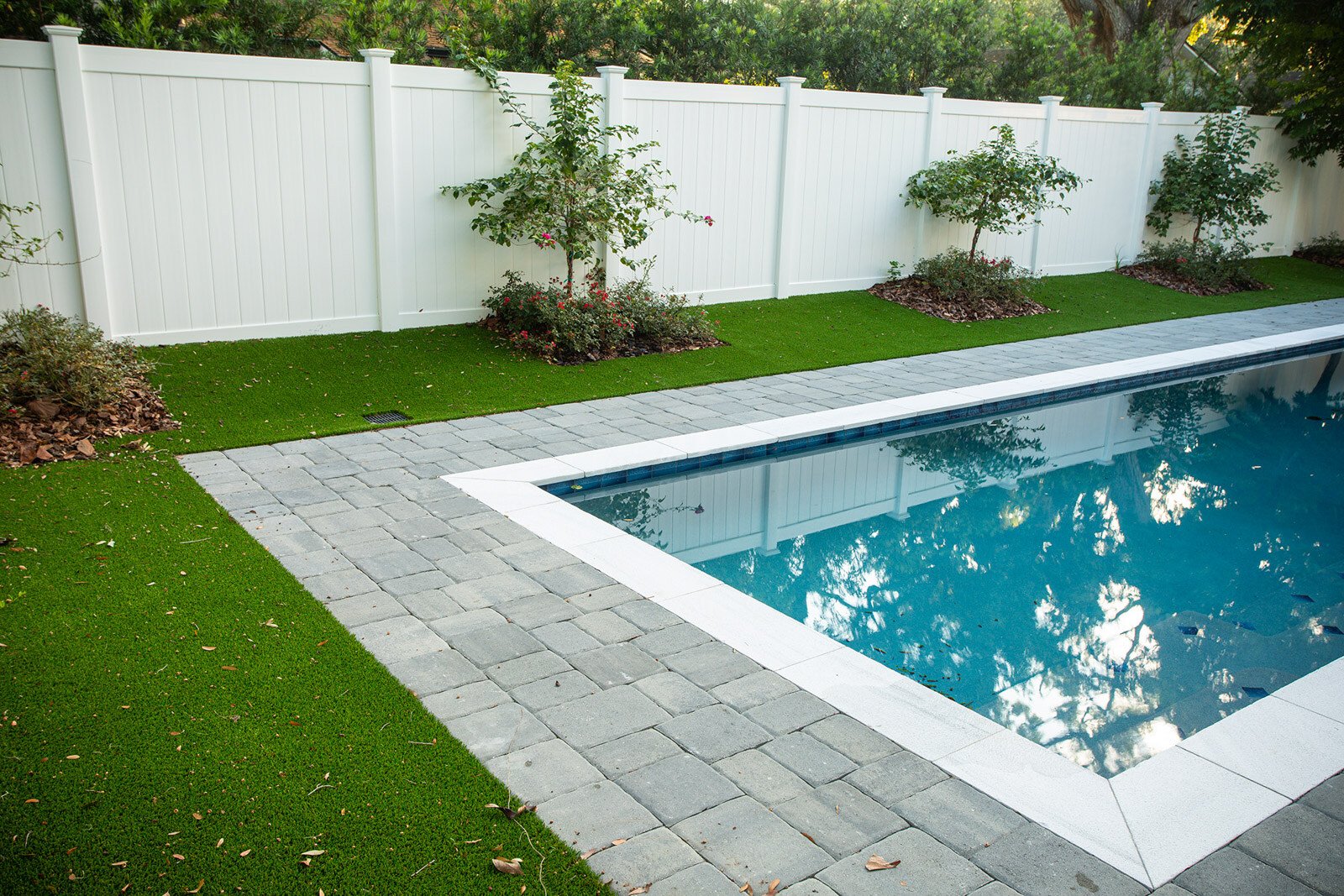
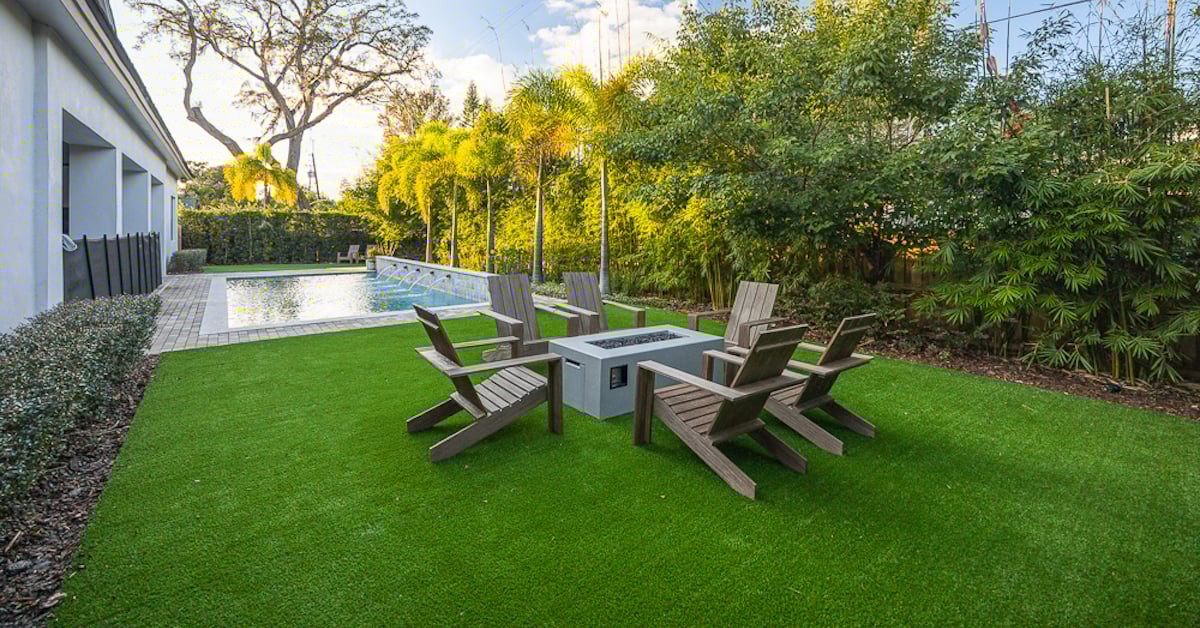
It is worth mentioning that you can do a lot with artificial turf – especially around pools, in small spaces, and for high-impact aesthetic areas.
Artificial Turf Installation in Central Florida: What to Expect With the Installation Process
A lot of people think that installing turf just means rolling out grass and calling it a day. There's actually a lot more to a professional installation of artificial grass.
Though every landscape partner takes their own custom approach, a proper installation typically includes:
- Removal of existing sod and debris
- Excavation and grading
- Installation of a compacted base layer
- Weed barrier placement
- Turf installation and seam work
- Infill application
- Edge securing and finishing
The moral of the installation story is that the prep work matters just as much here as it does with natural sod.
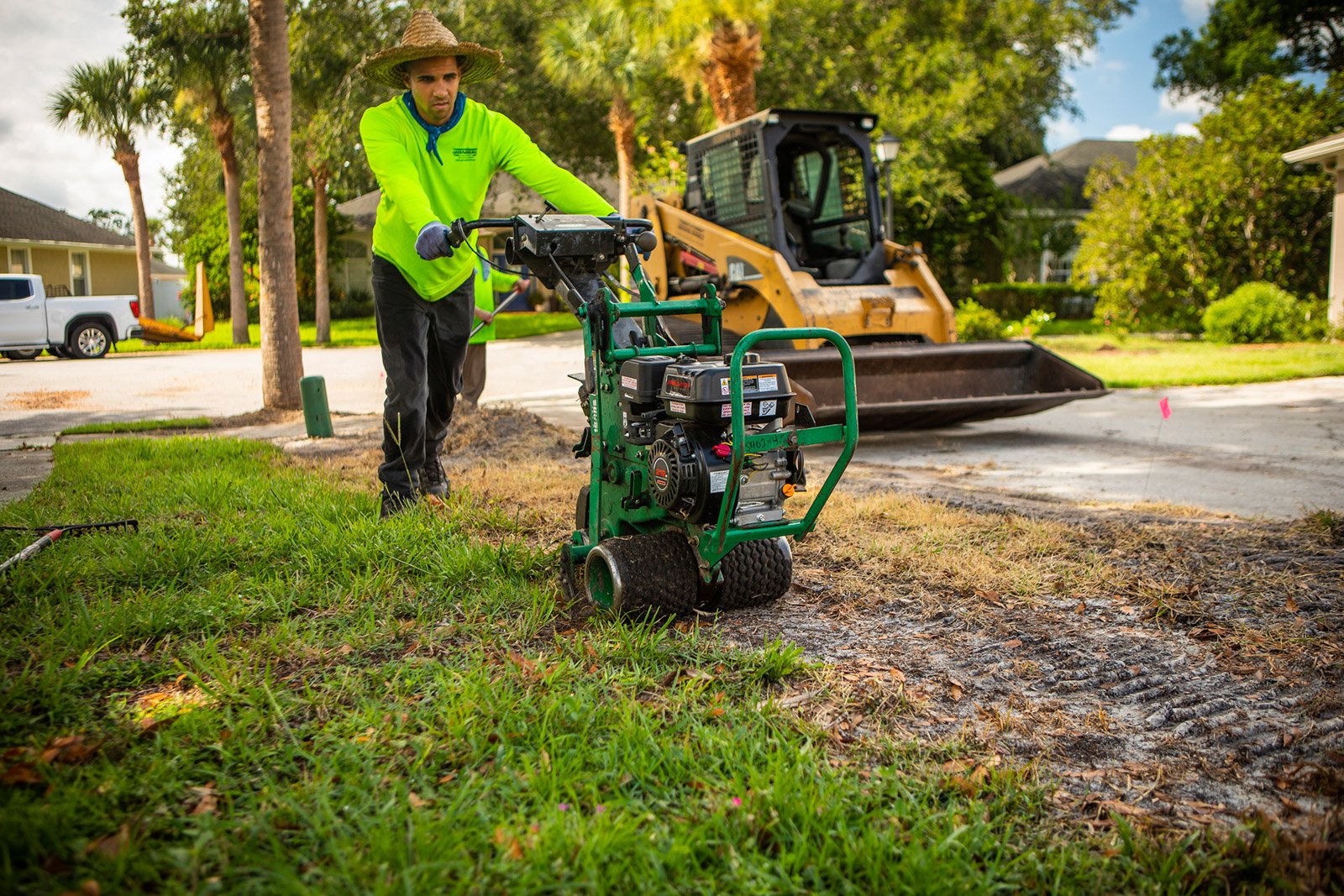
If drainage isn’t addressed properly (especially when you consider our heavy rain cycles in Central Florida), you can end up with pooling water, odor issues, or premature turf failure, just like you can with real grass.
The rule of thumb is the same for artificial or natural turf – professional installation ensures your lawn performs as it’s supposed to.
The Big Benefits of Artificial Grass: Why Homeowners Decide to Make the Swap
Judging by the sheer number of homeowners who have swip-swapped their authentic grass for artificial turf, you have to assume there's a substantial list of benefits. Let's start by sharing a few of the most obvious (and important) ones.
It's Often Lower Maintenance
Artificial grass is artificial –that means you don't have to deal with regrowth. That also means no mowing, fertilizing, or edging. In other words, your weekends just opened back up.

For busy homeowners or seasonal residents, this is a huge win because they don't have to worry about regular maintenance or wonder how the lawn is doing at their vacation spot.
Big Water Savings
Because artificial lawns don't grow, they don't require regular irrigation to stay healthy and "lush."
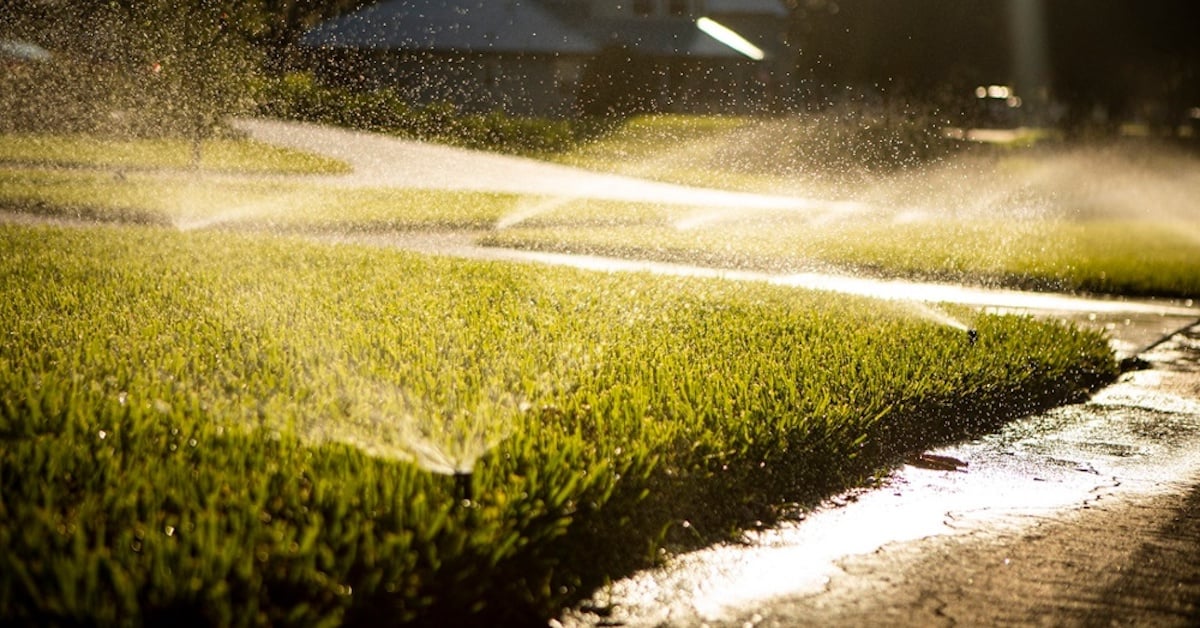
In a region like ours, where water use is a growing concern, that can translate into long-term savings and environmental benefits (especially by reducing fertilizer runoff).
Consistent Appearance
What many homeowners seem to love about turf is that, no matter what happens (barring any wild weather events), the appearance is always uniform. You won't have to deal with brown spots, patchy growth, or even seasonal die-off.
In short, artificial lawns look the same year-round without you having to lift a finger.
Potentially More Durable
We say this one with a grain of salt because it truly does depend, but turf usually holds up well in high-traffic areas like:
- Pet runs
- Play areas
- Backyard putting greens
It’s designed to handle wear and tear better than many natural lawns can without constant attention and maintenance.
The fact is, natural lawns are a bit more delicate than artificial lawns – and if you're dealing with constant traffic in an area, artificial grass could be beneficial.
What Are the Drawbacks of Artificial Grass?
It's clear that artificial turf has some big points in its win column, but importantly, that doesn't mean it's perfect.
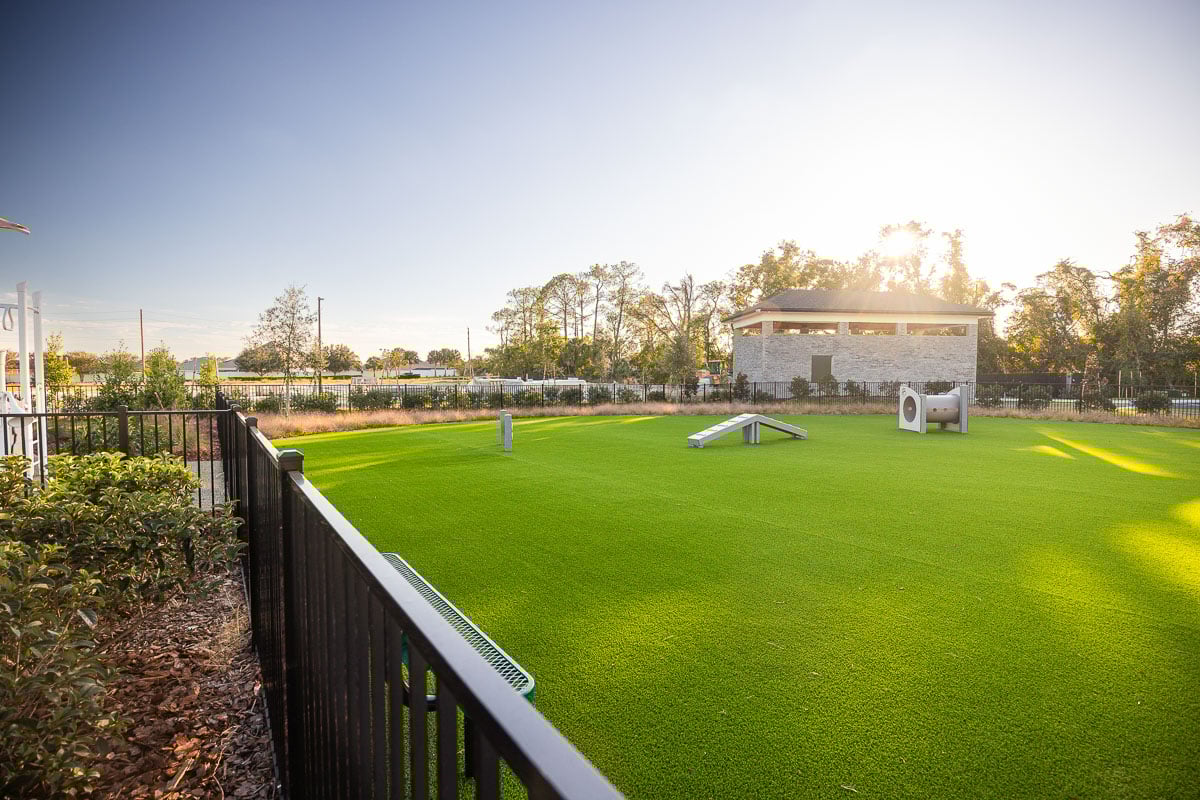
Here's the part most companies gloss over when they talk turf – even if there are benefits, there are substantial tradeoffs, too. And some of these trade-offs can have an even greater impact on Central Florida residents.
Heat Retention
This is one of the largest tradeoffs to consider for Central Floridians like yourself.
Artificial turf usually gets significantly hotter than natural grass in the direct sunlight – and in the Sunshine State, we've got plenty of direct sunlight.
On peak summer days, surface temperatures can become uncomfortable and quickly become unusable without cooling them with water.
High Upfront Cost
Artificial turf installation is not cheap (don't worry, we’ll get into numbers summaries shortly). While it's true that it can save you money on maintenance over time, the upfront installation cost is much higher than that of natural sod.
Material Lifespan & Replacement
Artificial grass might not grow or need attention, but it doesn’t last forever – and it can't come back better next season with a little extra elbow grease. You have to replace the materials, eventually.
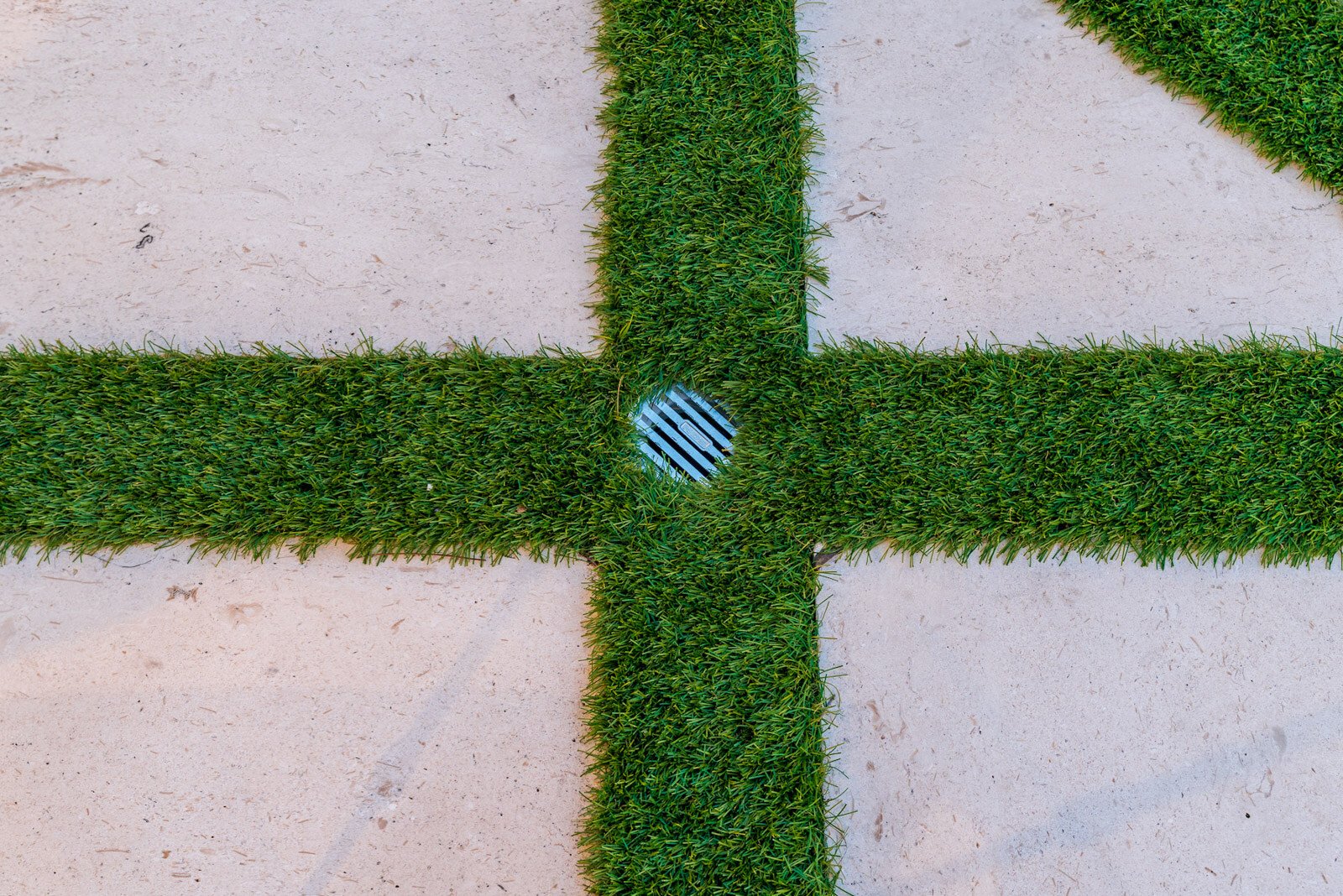
Most artificial lawn systems can last 10–15 years, depending on usage and turf quality. Eventually, though, it will need to be replaced – which means another costly investment down the line.
Environmental Considerations
While artificial lawns can help reduce water usage (a pro in the environmentalism column), they also create other potential problems.
Artificial lawns aren't living or organic, so they don’t support:
- Soil health
- Pollinators
- Natural cooling
They’re also made from synthetic materials, which, understandably, raises concerns around microplastic waste over time.
Limited Cooling & Drainage Benefits
Natural grass cools the surrounding environment and absorbs water – two things that artificial turf doesn't do.
That can affect both comfort and drainage performance if it's not designed properly, and it can lead to bigger issues later and over time.
The Real Cost of Artificial Turf in Central Florida
We talked turf, not let's talk turf numbers. While we can't speak for all artificial turf installations out there (and we can't speak specifically to your quote without more context), turf installation in Central Florida typically ranges from $10 to $20 per square foot.

That wide range in cost will depend on factors like:
- Turf quality
- Site conditions
- Prep work required
- Drainage needs
- Accessibility
So, let's run the numbers. For a standard backyard at those costs, that can easily translate to $10,000-$30,000+ for a full installation. That's neither negative nor positive, but it does matter, and it is important to know before you decide on natural sod versus an artificial lawn.
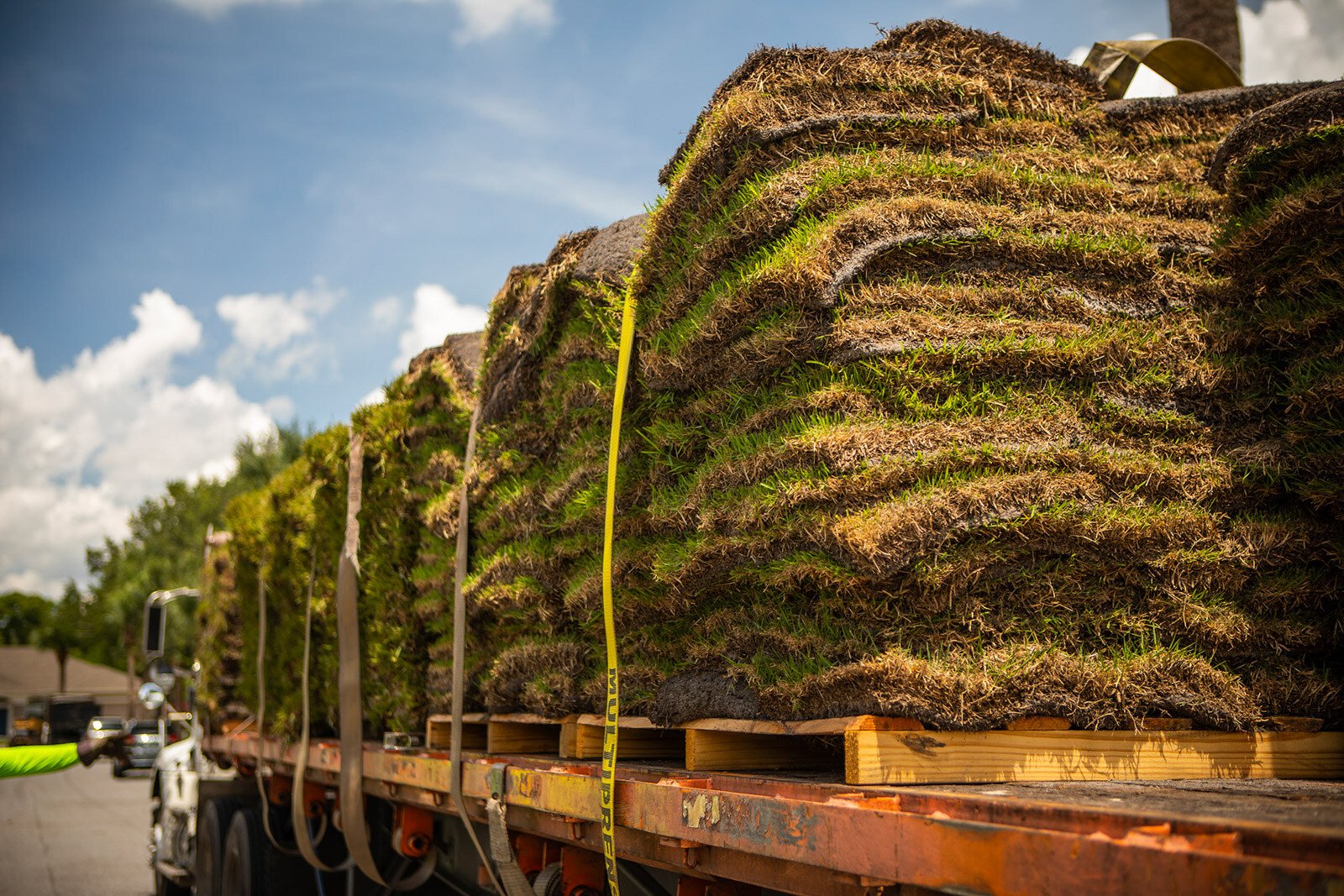
Of course, compared to natural sod, that’s a higher upfront investment. Remember, though, your lower maintenance costs could offset the difference over time.
Do Artificial Lawns Need Maintenance?
Everyone is so quick to slap a "no maintenance required" label on artificial turf. The truth is, artificial lawns do need maintenance – it's just a different kind than you might be accustomed to.
We like to call artificial lawns low-maintenance (not no-maintenance) because they still require a little help and healing every now and then through:
- Occasional rinsing (especially if you have pets who use the turf)
- Brushing to maintain fiber position
- Debris removal (leaves, dirt)
- Infill replenishment over time
While you may not need to irrigate your artificial lawn regularly, remember that you're in Central Florida, so you may still need to cool the surface of your turf with water during extreme heat.
The short answer is this: you won't be mowing every weekend, but you also won't be completely off the maintenance hook.
Artificial Lawns and the Environment: Are They Good or Bad?
The conversation about artificial lawns and the environment is a little bit nuanced. It's hard to take a black-and-white approach to artificial turf and environmentalism because the reviews are mixed and there's a healthy mix of good and bad.
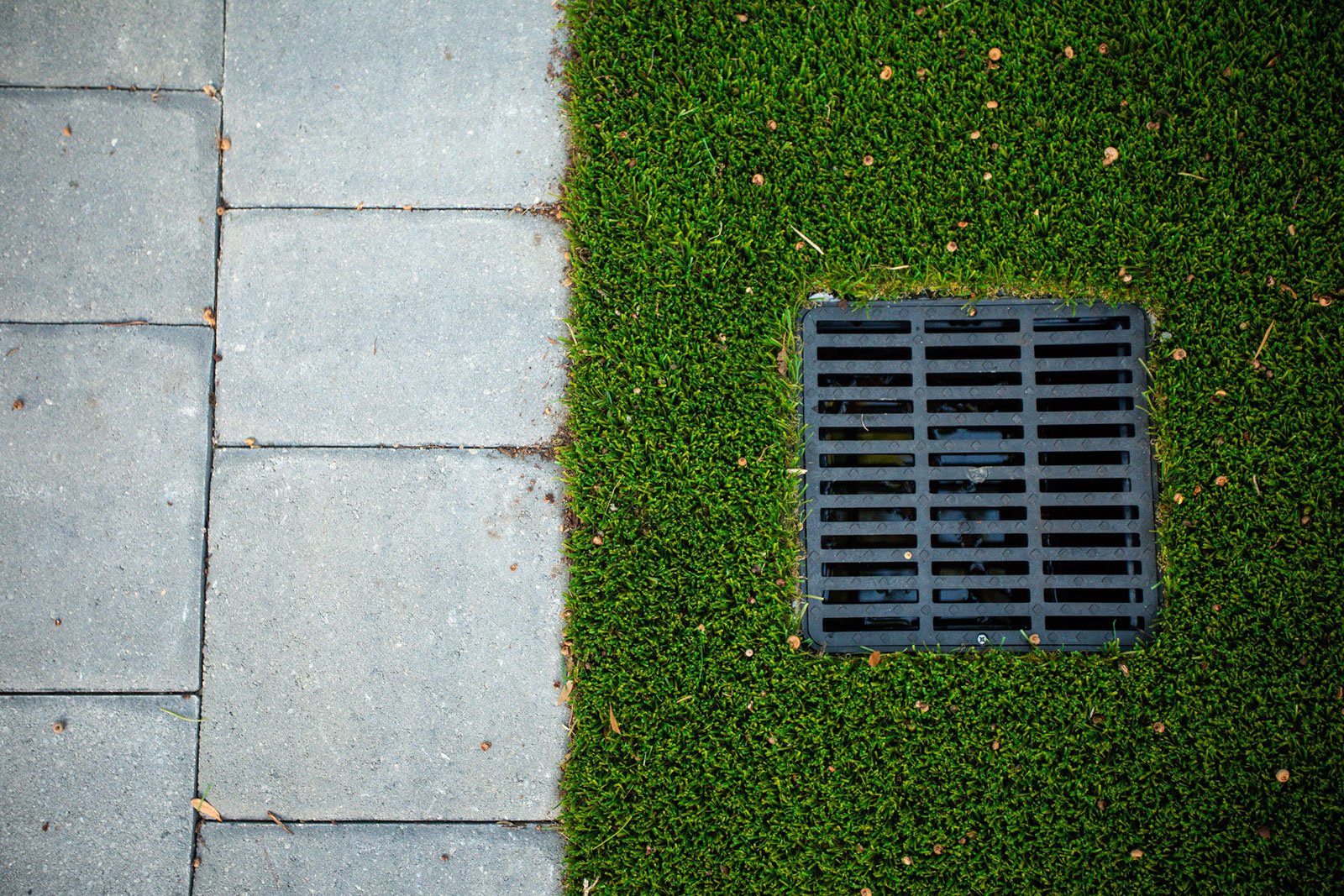
Let's look at both so you can glean info and judge for yourself.
The Environmental Positives:
- Reduced water usage
- No fertilizer or pesticide runoff
- Lower emissions from mowing equipment
The Environmental Trade-Offs:
- Synthetic materials (plastic-based)
- Microplastic breakdown over time
- No ecological contribution (pollinators, soil health)
- Heat island effect
If you're looking for a definitive answer to the question "are artificial lawns bad for the environment?" – the answer is that it's complicated.
They're not necessarily bad, but they're no environmental savior, either. Ultimately, it depends on your priorities, values, and goals.
Are There Artificial Lawn Regulations in Central Florida?
There are no state-wide regulations around artificial turf, but it's important to realize that rules can vary depending on your specific location, HOA, neighborhood, or municipality.
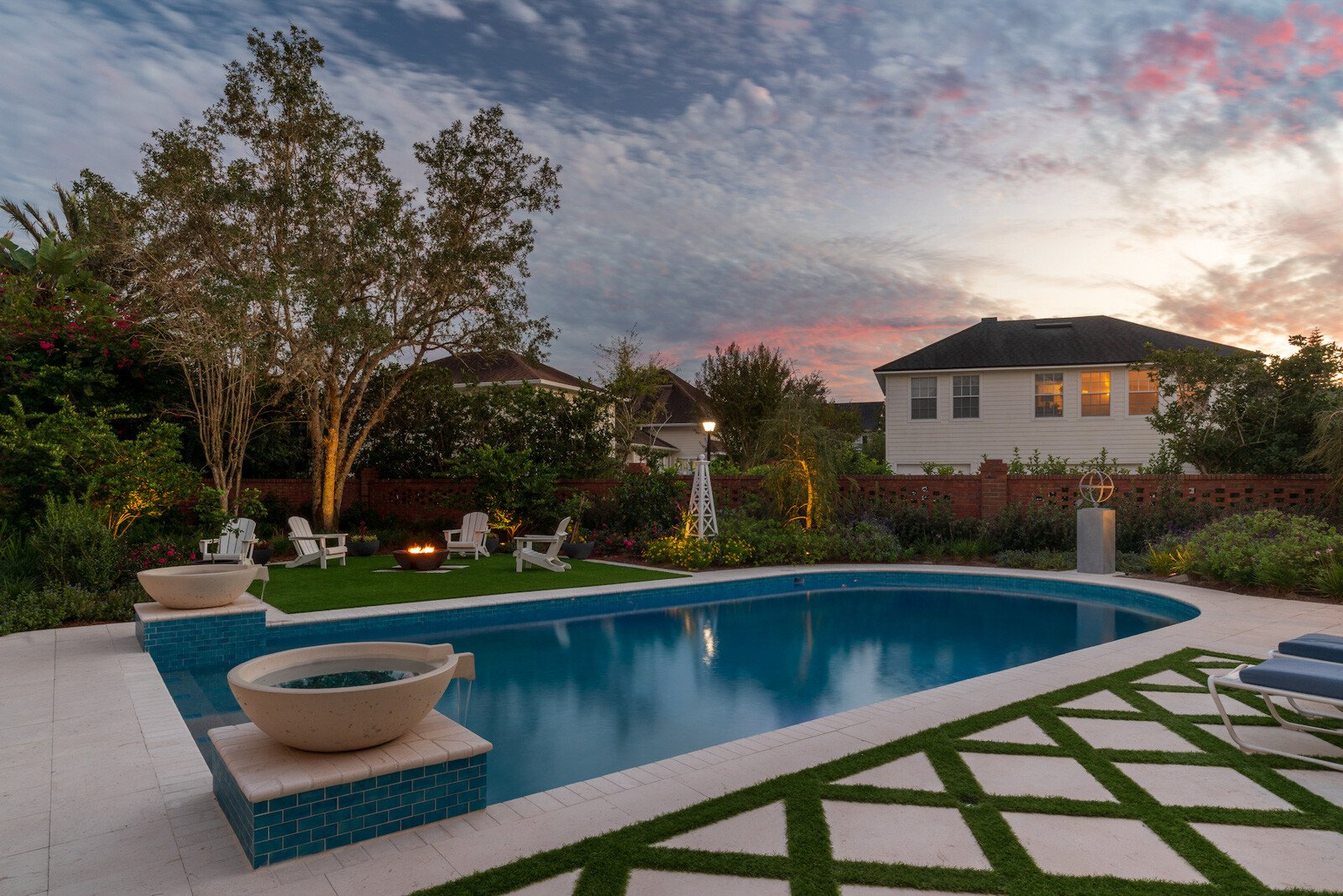
Some areas may have:
- Restrictions on front yard turf
- Requirements for drainage
- Guidelines for appearance or materials
It's true that while artificial turf is generally accepted throughout much of Central Florida, it’s always smart to check local codes, review your HOA guidelines, and work with a turf professional who understands compliance requirements.
All of those steps can help you avoid a costly surprise post-installation.
Natural Lawns vs Artificial Turf: Which is Better?
There's no one-size-fits-all answer for which is the better choice. Ultimately, it depends on your goals, vision, use case, issues, and particular location.
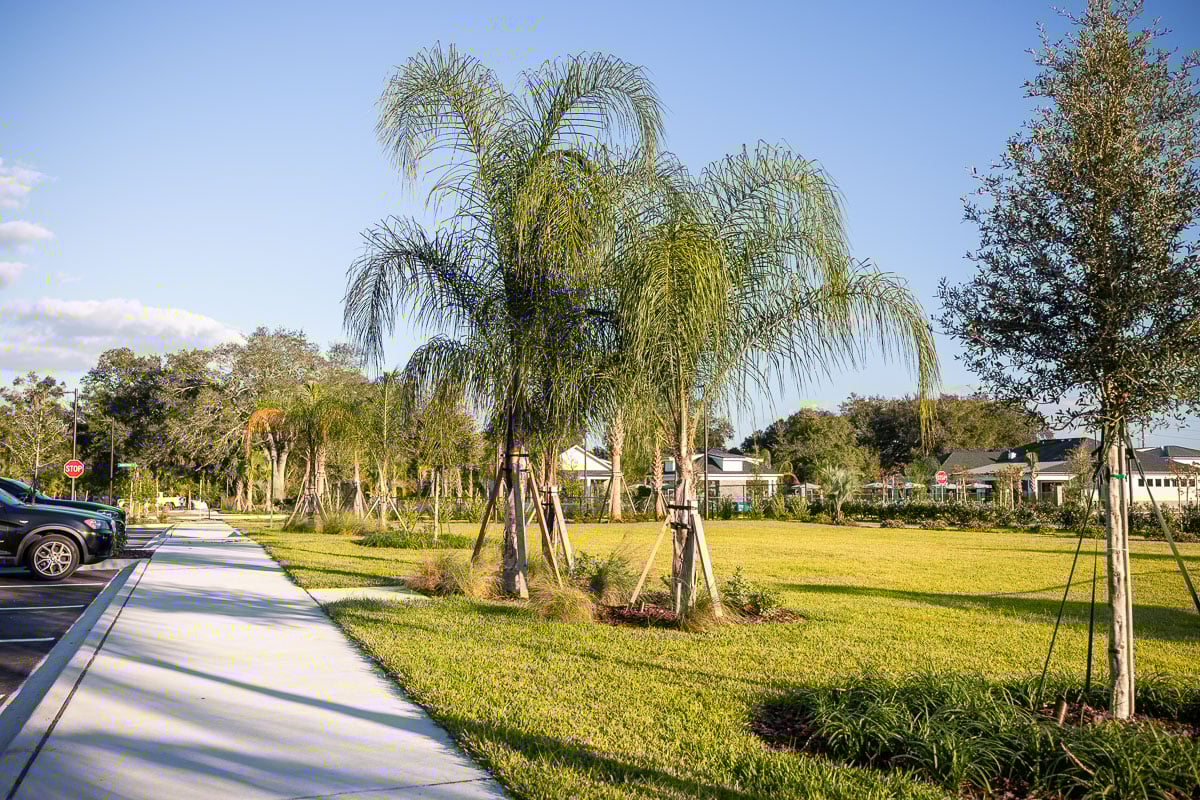
We often say that you should choose artificial turf if you want:
- Minimal maintenance
- Consistent appearance
- High-traffic durability
- Reduced water usage
Whereas natural grass is probably a better choice for you if you care about:
- Cooler surface temperatures
- Environmental benefits
- Lower upfront cost
- Natural growth and regeneration
In many cases, homeowners can even opt for a hybrid option that uses artificial turf in high-use areas and natural grass elsewhere.
The Cost Talk: Is Artificial Turf Worth the Investment?
Is the high up-front cost of turf worth it for homeowners? The answer is yes – but only for the right ones.
Artificial turf can absolutely be worth the investment if:
- You want to reduce maintenance
- You have high-traffic areas that struggle with natural grass
- You’re okay with the upfront cost and long-term replacement
But if you value natural cooling, environmental impact, and lower initial investment, natural lawns may still be the better fit.
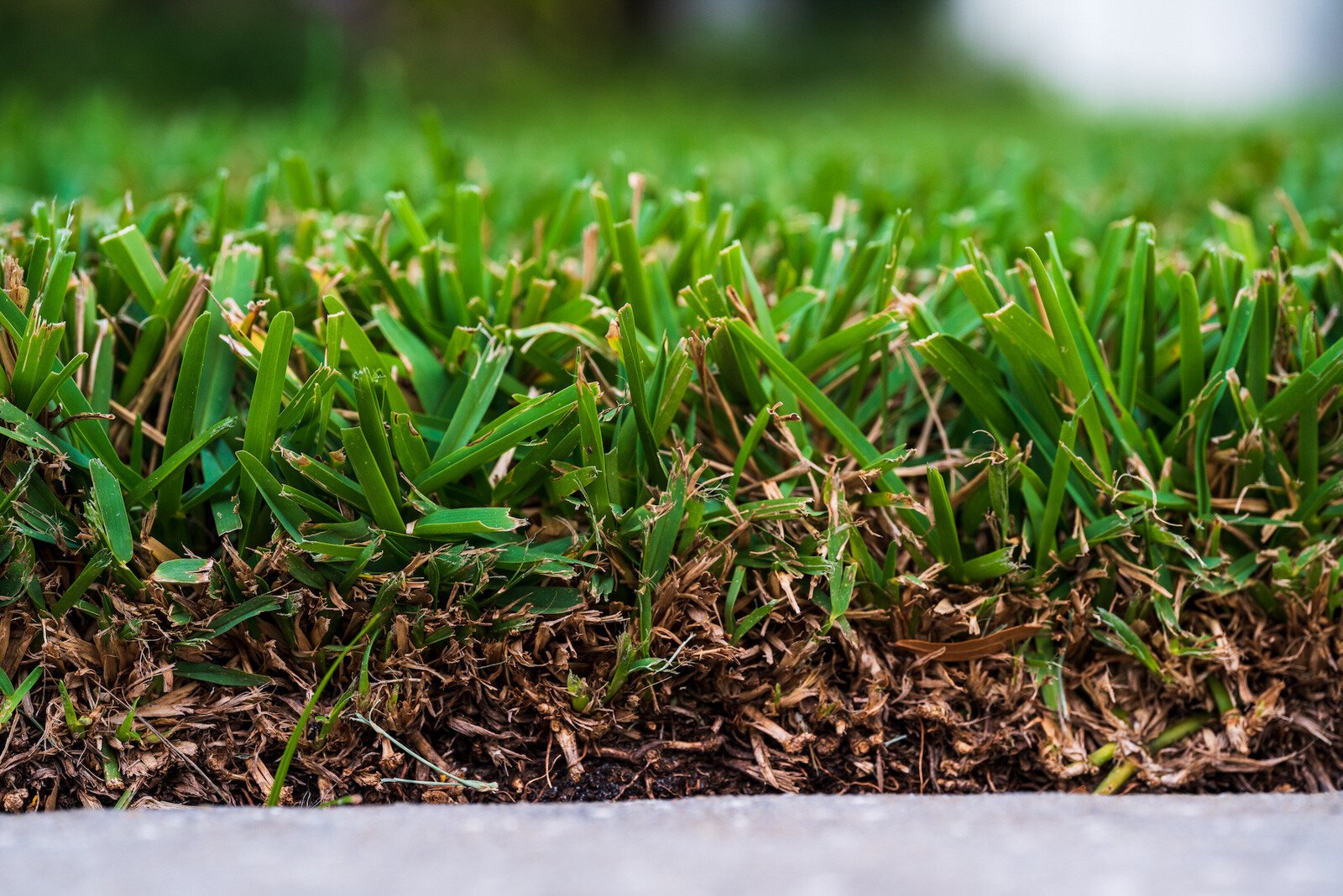
The key is to make a decision based on how you actually use your space, not just on what you think looks nice in that online picture.
Frequently Asked Questions About Artificial Grass
Do artificial lawns really save money?
They can, in the long term, because they help you reduce ongoing maintenance costs. But in the short term, they're pricey. The upfront investment is usually much higher than natural sod.
How long does artificial turf last?
Most artificial turf systems last around 10-15 years, depending on usage, material quality, and installation quality. It also depends on how much regular maintenance (yes, even artificial grass requires some) you're willing to commit to.
Does artificial grass get hot?
It absolutely does – especially in Central Florida. Cooling it with water may be necessary during peak heat.
Is artificial turf pet-friendly?
It is, but it can also be a lot more to take care of. Artificial lawns require regular cleaning and rinsing to prevent odor buildup if your dog uses your lawn for bathroom needs.
Can artificial turf be installed anywhere?
In most cases, yes, but not always. Local regulations, HOA rules, and even site conditions may impact where it can be installed.
Do You Want Artificial Turf Installation for Your Central Florida Home?
At Ground Source, we proudly offer professional artificial turf installation as part of our landscape design and build services in Central Florida.
Firstly, we help homeowners evaluate whether turf makes sense for their space, goals, and long-term plans. Then, if everything aligns, we install systems designed to perform in Florida’s unique climate.
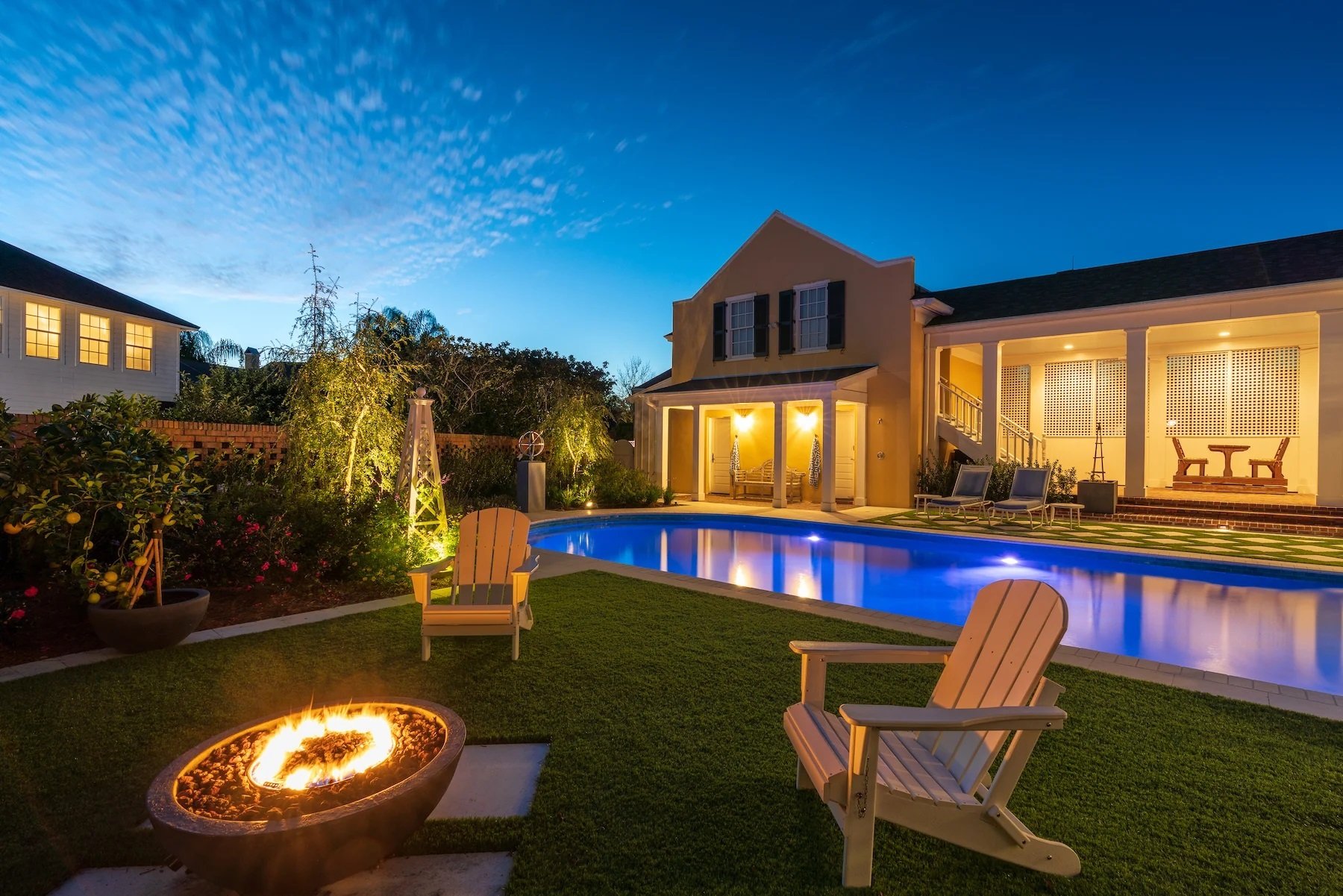
Whether you’re considering a full artificial lawn or a targeted turf installation for specific areas, our team will walk you through your options and help you make the right call.
Ready to explore artificial grass for your property? Contact our team today to schedule your consultation and take the next step toward a landscape that works for your lifestyle.